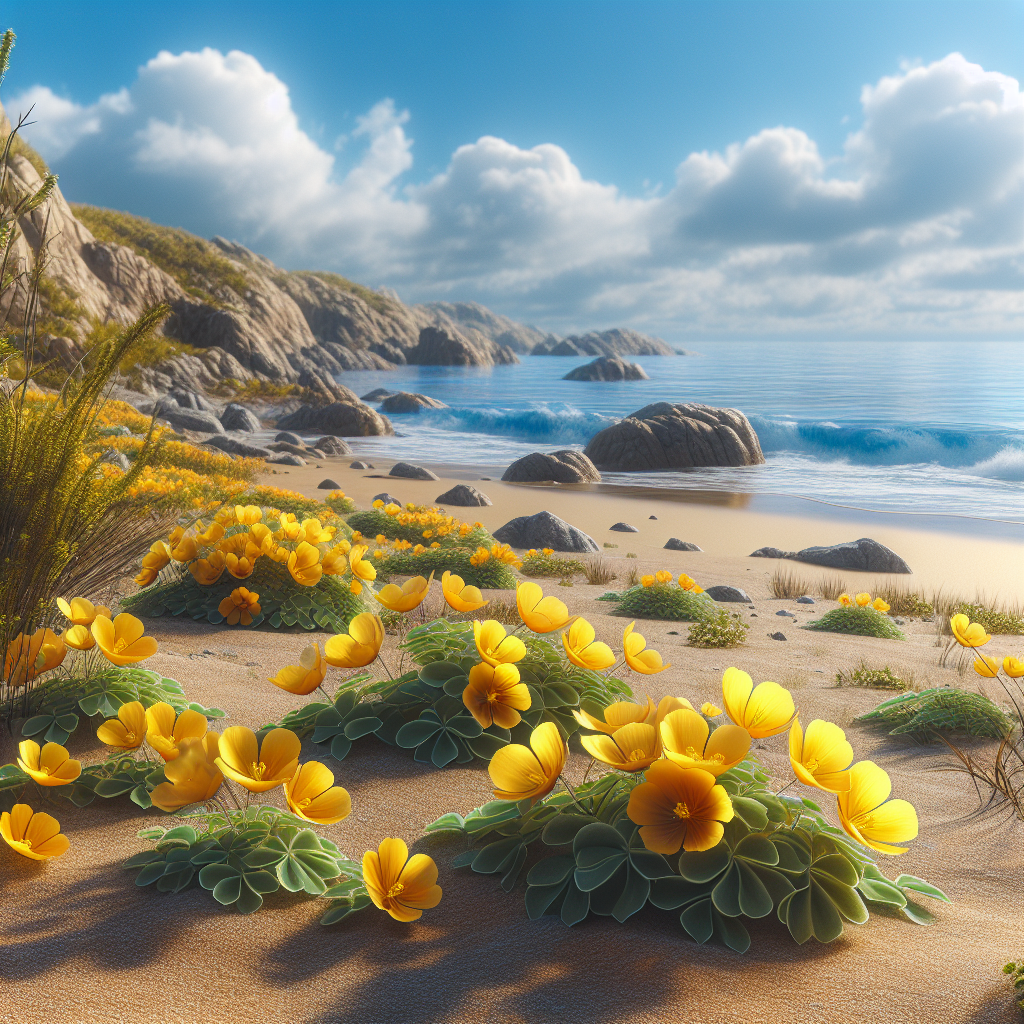

Some plants are like the superheroes of the wildflower world, and Camissoniopsis cheiranthifolia is one of them. This resilient plant, also known as Beach Evening Primrose, might just change the way you look at coastal beauty. Native to the sandy shores of California and Baja California, Camissoniopsis cheiranthifolia has been thriving along these Pacific coastlines for ages, sometimes even gracing garden landscapes beyond its usual haunts. It’s an all-year-round beach-dweller, captivating all who glance at its bright, sunny petals and silvery leaves.
In a world increasingly aware of climate change, the need for plant species like Camissoniopsis cheiranthifolia is more pressing than ever. Its ability to stabilize sand dunes and resist salty winds underscores the importance of preserving native plants. While humans have a tendency to pave over natural landscapes or plant exotic species, this wildflower stands as a testament to how nature designs with purpose. For people stressing about the environment and looking for sustainable gardening practices, this hearty little plant offers a ray of hope.
To the untrained eye, the Beach Evening Primrose might initially seem like just another pretty flower one might encounter on a long walk along the beach. But there’s more than meets the eye. It supports coastal ecosystems by preventing erosion and providing habitat for small animals and insects. As such, preserving this lovely bloom is crucial for maintaining biodiversity—a term we hear quite a bit these days, especially in conversations about the planet's future.
However, not everyone sees eye to eye on the importance of native flora. Some horticulturists and landscape designers argue for modern, exotic plantings that can provide aesthetic diversity and novelty. While there's a place for innovative gardening designs, it is equally essential to consider local biodiversity and the natural balance of ecosystems. After all, native plants like Camissoniopsis cheiranthifolia have co-evolved with the local fauna, creating complex interdependent relationships over countless generations.
Let’s explore why this humble plant matters by taking a look into some of the fascinating details of its lifecycle and structure. Standing at a modest height, the Beach Evening Primrose displays brilliant yellow flowers that open in the evening, as its name hints. It's fascinating how this plant has adapted to thrive in dry, salty, and sandy environments where few others would dare grow. Its seeds are dispersed by wind and water, making its presence along beaches not just understandable but necessary for a strong, resilient coastal ecosystem.
In recent years, the conservation community has been placing increasing emphasis on protecting such native plants, not only because of their ecological roles but also due to their cultural significance to indigenous communities. For example, some Native American tribes have historical ties to these coastal plants, utilizing them in traditional medicine and cultural practices. Elevating these stories highlights a multi-faceted appreciation for our native landscapes.
Despite this growing awareness, challenges remain. Shoreline development, pollution, and the impact of climate change pose continuous threats. We are at a juncture where the choices we make could significantly impact the survival of native species like Camissoniopsis cheiranthifolia. There's a genuine concern and understanding on part of younger generations, who are perhaps more inclined than previous ones to take actionable steps toward environmental preservation and restoration.
Let's not forget the role technology and social media play in this narrative. Platforms like Instagram and TikTok are filled with eco-influencers and conservationists broadcasting the plight of endangered species, and Camissoniopsis cheiranthifolia could easily be trending next. Such digital activism has the potential to raise awareness and engage people worldwide.
At the intersection of environmentalism, aesthetics, and sustainability, Camissoniopsis cheiranthifolia stands firm as a natural emblem of coastal resilience. Its existence reminds us that sometimes the simplest beauty can prompt complex conversations and provoke meaningful action. Whether you're a botany enthusiast, a nature activist, or just someone looking to add some native charm to your garden, there’s plenty to appreciate—and learn—from this shining, silvery marvel.