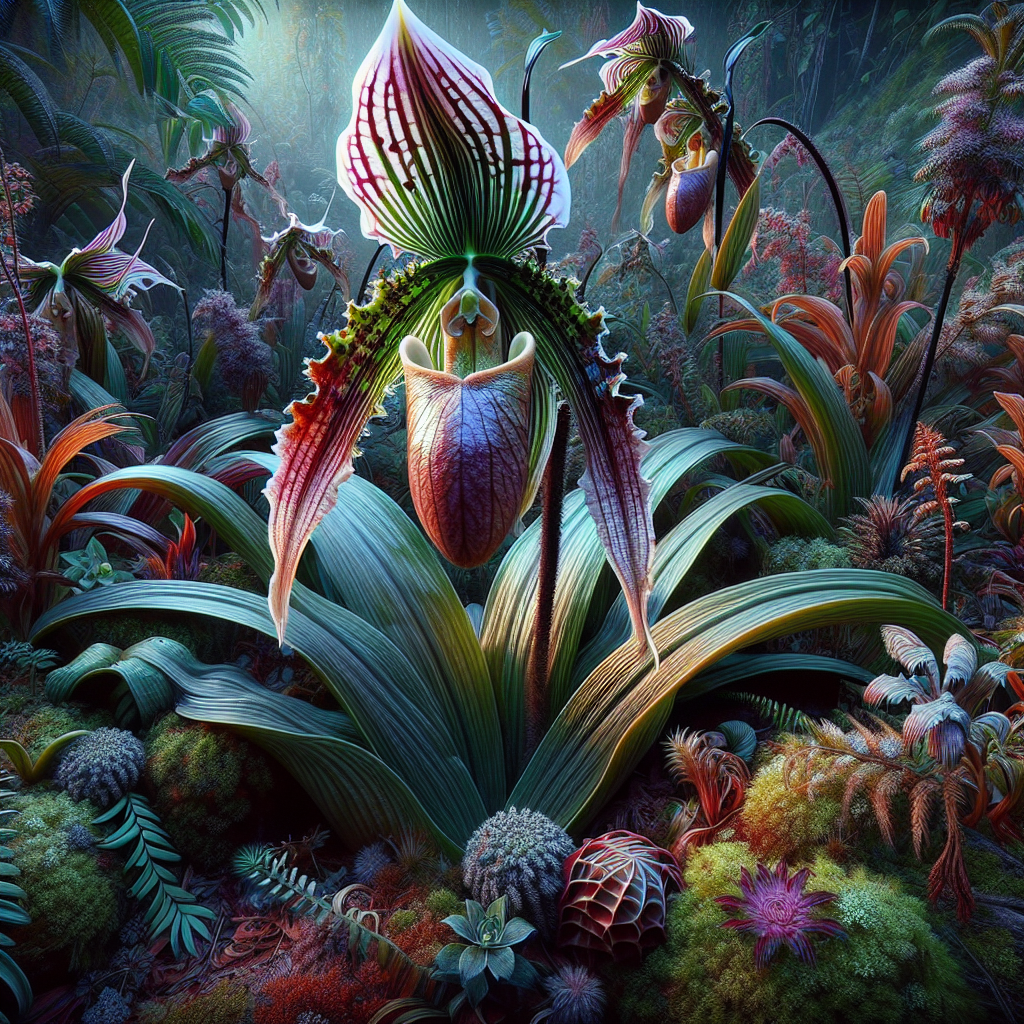

The Curious Case of Calochilus Paludosus: Nature's Bearded Wonder
Imagine stumbling upon a flower that looks like it has a beard. That's exactly what you get with Calochilus paludosus, commonly known as the Red Beard Orchid. This fascinating plant is native to Australia and New Zealand, where it blooms from late winter to early summer, typically between August and December. Found in a variety of habitats, from coastal heathlands to open forests, this orchid is a testament to nature's creativity and adaptability. But why does it have a "beard"? The answer lies in its unique pollination strategy, which is as intriguing as the plant itself.
Calochilus paludosus is part of the orchid family, a group known for its complex and often deceptive pollination methods. The "beard" of the Red Beard Orchid is actually a series of hair-like structures on its labellum, or lip, which is designed to attract male wasps. These wasps are tricked into thinking the flower is a potential mate, a phenomenon known as pseudocopulation. As the wasp attempts to mate with the flower, it inadvertently picks up pollen, which it then transfers to the next orchid it visits. This clever ruse ensures the plant's reproduction without offering any nectar or reward to the pollinator.
While the Red Beard Orchid's strategy might seem a bit sneaky, it's a brilliant example of evolution at work. The plant has adapted to its environment in a way that maximizes its chances of survival and reproduction. This is particularly important in the diverse and competitive ecosystems of Australia and New Zealand, where many species vie for the attention of pollinators. By evolving such a unique method, Calochilus paludosus has carved out a niche for itself, ensuring its continued existence.
However, the story of the Red Beard Orchid isn't just about its clever pollination tactics. It's also a reminder of the delicate balance within ecosystems and the importance of biodiversity. Orchids like Calochilus paludosus are often indicators of environmental health, thriving in areas where ecosystems are intact and diverse. Unfortunately, habitat destruction and climate change pose significant threats to these plants. As their habitats are altered or destroyed, the delicate relationships between orchids and their pollinators can be disrupted, leading to declines in orchid populations.
From a conservation perspective, protecting species like the Red Beard Orchid is crucial. Efforts to preserve their natural habitats not only benefit the orchids themselves but also the myriad other species that share their ecosystems. This includes the pollinators that are essential for the reproduction of many plants, not just orchids. By safeguarding these environments, we help maintain the intricate web of life that supports biodiversity and ecological resilience.
While some might argue that focusing on a single species like Calochilus paludosus is too narrow, it's important to recognize that conservation often starts with small steps. Protecting one species can have a ripple effect, benefiting entire ecosystems. Moreover, the unique characteristics of the Red Beard Orchid make it an excellent ambassador for raising awareness about the importance of plant conservation. Its intriguing appearance and fascinating pollination strategy capture the imagination, making it easier to engage people in discussions about biodiversity and environmental protection.
In a world where environmental challenges are becoming increasingly urgent, the story of Calochilus paludosus serves as a reminder of the wonders of nature and the importance of preserving them. By understanding and appreciating the unique adaptations of species like the Red Beard Orchid, we can foster a greater sense of stewardship for the natural world. This is especially relevant for younger generations, who will inherit the responsibility of protecting our planet's biodiversity. Through education and awareness, we can inspire action and ensure that future generations can continue to marvel at the wonders of nature, bearded orchids included.