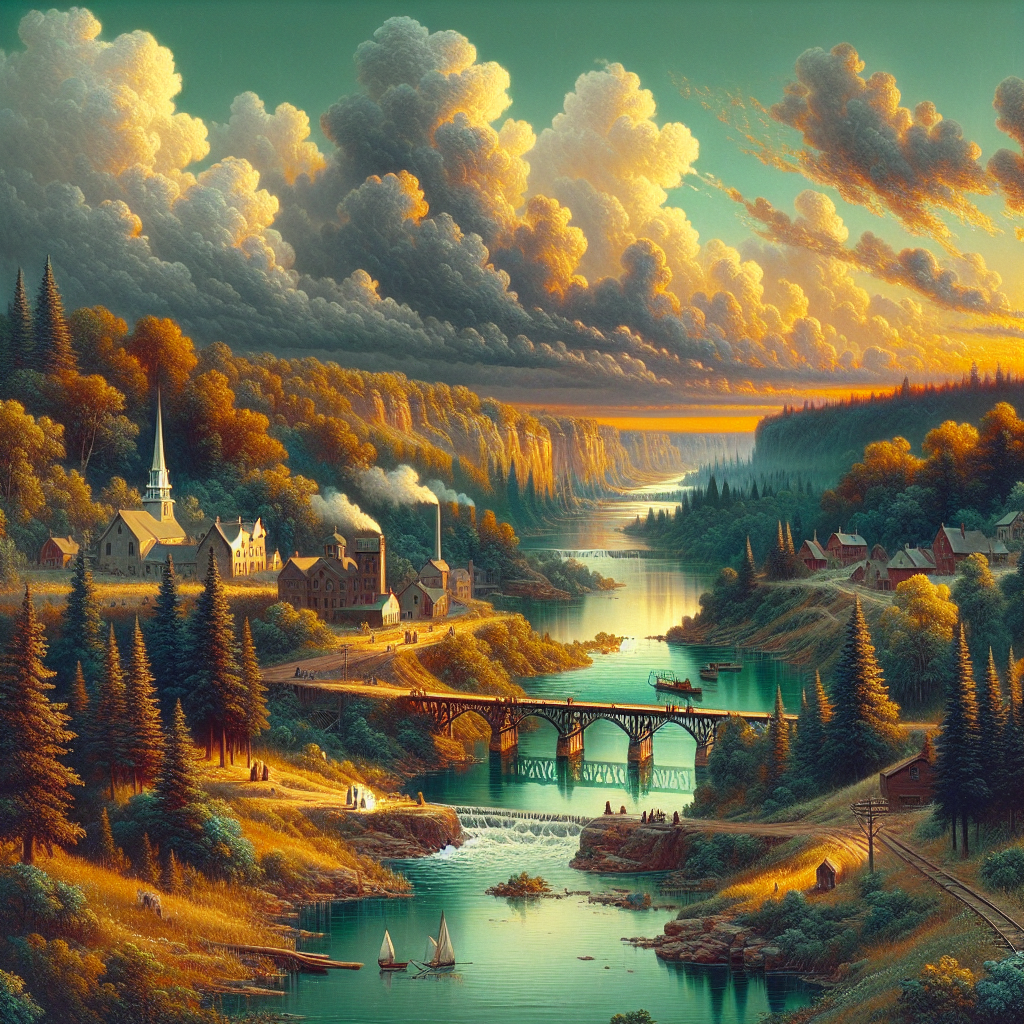

The Big Sioux River: A Flowing Tale of Nature and Community
The Big Sioux River, a winding waterway that snakes through the heart of the Midwest, is more than just a geographical feature; it's a lifeline for the communities it touches. Originating in the Coteau des Prairies of South Dakota, this river meanders through the states of South Dakota and Iowa before joining the Missouri River. The Big Sioux has been a vital resource for centuries, providing water, recreation, and a sense of place for those who live along its banks. However, it also presents challenges, such as flooding and pollution, that require careful management and cooperation among local communities.
The river's history is rich and varied. Indigenous peoples, including the Sioux tribes, have long relied on its waters for sustenance and transportation. European settlers later recognized its potential for agriculture and industry, leading to the development of towns and cities along its course. Today, the Big Sioux River is a focal point for both economic activity and environmental conservation efforts. Its waters support agriculture, provide drinking water, and offer recreational opportunities like fishing and kayaking.
Despite its benefits, the Big Sioux River faces significant environmental challenges. Pollution from agricultural runoff, industrial waste, and urban development threatens the river's health and the ecosystems it supports. Efforts to address these issues have been ongoing, with local governments, environmental organizations, and concerned citizens working together to improve water quality and protect the river's natural habitats. These initiatives often involve balancing economic interests with environmental concerns, a task that requires collaboration and compromise.
Flooding is another major concern for communities along the Big Sioux River. Heavy rains and snowmelt can cause the river to overflow its banks, leading to property damage and displacement of residents. Climate change is expected to exacerbate these issues, making flood management a critical priority for local governments. Strategies to mitigate flooding include building levees, restoring wetlands, and implementing better land-use planning to reduce the impact of future floods.
The Big Sioux River also plays a crucial role in the cultural life of the region. It serves as a gathering place for festivals, community events, and outdoor activities that bring people together and foster a sense of community. The river's scenic beauty and recreational opportunities attract tourists, boosting local economies and providing a source of pride for residents. Efforts to preserve and enhance the river's natural and cultural resources are essential to maintaining its status as a cherished regional asset.
While the challenges facing the Big Sioux River are significant, they are not insurmountable. By working together, communities can find solutions that protect the river's health and ensure its continued vitality for future generations. This requires a commitment to sustainable practices, investment in infrastructure, and a willingness to engage in open dialogue about the best ways to balance competing interests.
The Big Sioux River is more than just a body of water; it's a symbol of the interconnectedness of nature and human society. Its story is one of resilience, adaptation, and cooperation, reflecting the broader challenges and opportunities facing our world today. As we navigate the complexities of environmental stewardship and community development, the lessons learned from the Big Sioux River can guide us toward a more sustainable and harmonious future.