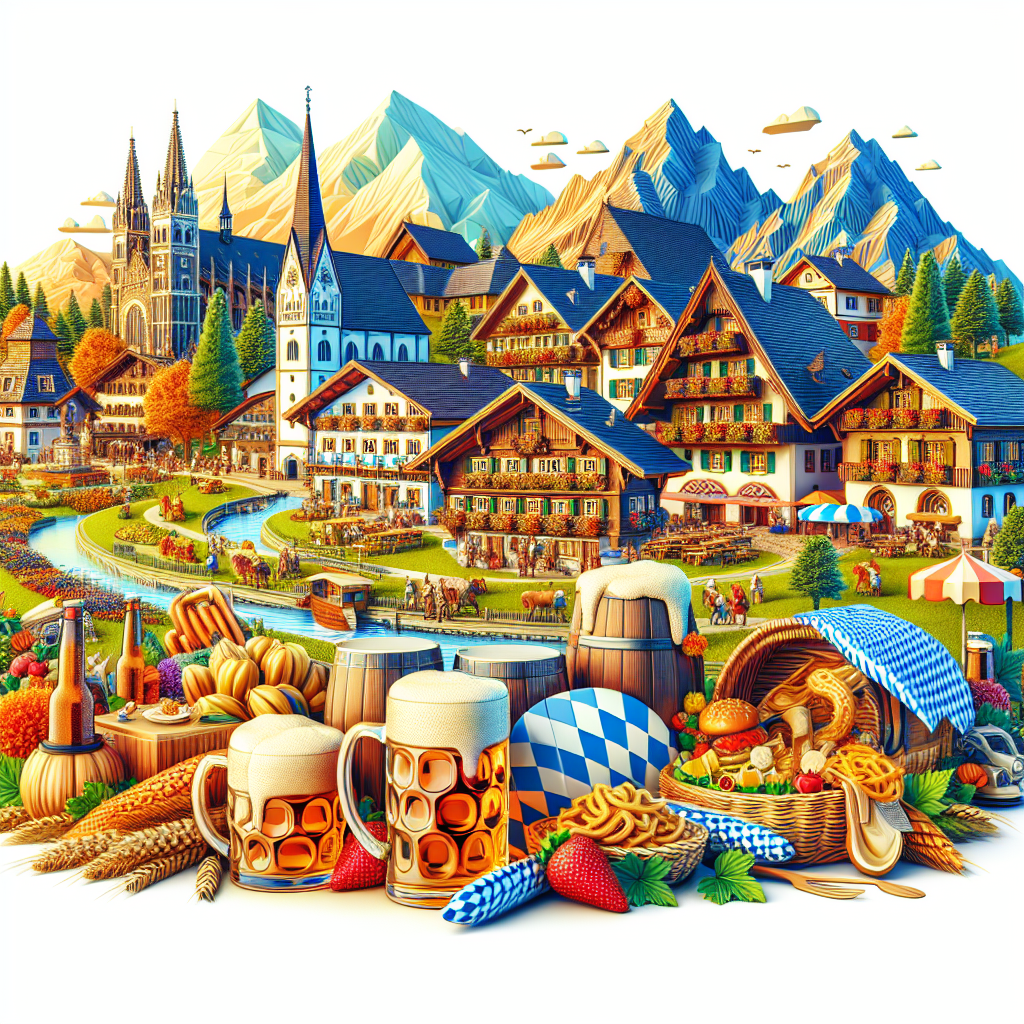

The Bavarian Enigma: A Dive into Bavaria's Unique Identity
Bavaria, a region in southeastern Germany, is like the quirky cousin at a family reunion—distinct, vibrant, and full of surprises. Known for its rich cultural heritage, Bavaria is home to Oktoberfest, lederhosen, and fairy-tale castles. This region, with its capital in Munich, has a history that dates back to the early Middle Ages. Bavaria's unique identity is shaped by its distinct dialect, traditions, and a strong sense of regional pride. The question of why Bavaria stands out so much from the rest of Germany is a fascinating one, rooted in its historical development, cultural evolution, and political significance.
Bavaria's history is a tapestry of influences, from Roman times to its role as a powerful duchy in the Holy Roman Empire. Its strategic location made it a crossroads of trade and culture, which contributed to its diverse heritage. The region's Catholic roots also set it apart in a predominantly Protestant northern Germany, influencing its festivals, architecture, and even its politics. This historical backdrop is crucial to understanding why Bavarians often see themselves as distinct from other Germans.
Culturally, Bavaria is a powerhouse. The world-famous Oktoberfest, held annually in Munich, is a testament to Bavarian culture's global reach. This festival, which began in 1810, celebrates Bavarian beer, food, and music, drawing millions of visitors from around the world. The traditional attire of lederhosen for men and dirndls for women is not just a costume but a symbol of Bavarian identity. These cultural elements are not just for show; they are deeply ingrained in the daily lives of Bavarians, reflecting a strong sense of community and tradition.
Politically, Bavaria has often charted its own course. The Christian Social Union (CSU), a conservative political party, has dominated Bavarian politics for decades, advocating for regional autonomy and often taking stances that differ from the national government. This political independence is a source of pride for many Bavarians, who value their ability to influence local governance and maintain their unique way of life. The CSU's success is partly due to its ability to tap into the regional identity and address local concerns, which resonates with the Bavarian electorate.
However, Bavaria's distinctiveness is not without its challenges. The region's strong identity can sometimes lead to tensions with the rest of Germany, particularly when it comes to issues like immigration and federal policies. Some critics argue that Bavaria's emphasis on tradition and regionalism can be exclusionary, making it difficult for newcomers to integrate. This tension is a reminder of the delicate balance between preserving cultural heritage and embracing diversity in an increasingly globalized world.
Despite these challenges, Bavaria's unique identity continues to thrive. The region's ability to maintain its traditions while adapting to modern times is a testament to its resilience and creativity. Bavarians take pride in their heritage, but they are also open to new ideas and influences, which keeps their culture vibrant and relevant.
Understanding Bavaria's distinctiveness requires an appreciation of its history, culture, and politics. It's a region that has managed to carve out a unique identity within Germany, one that is celebrated both at home and abroad. For those who visit or study Bavaria, it's an opportunity to experience a rich tapestry of traditions, values, and innovations that make it a fascinating part of the world.