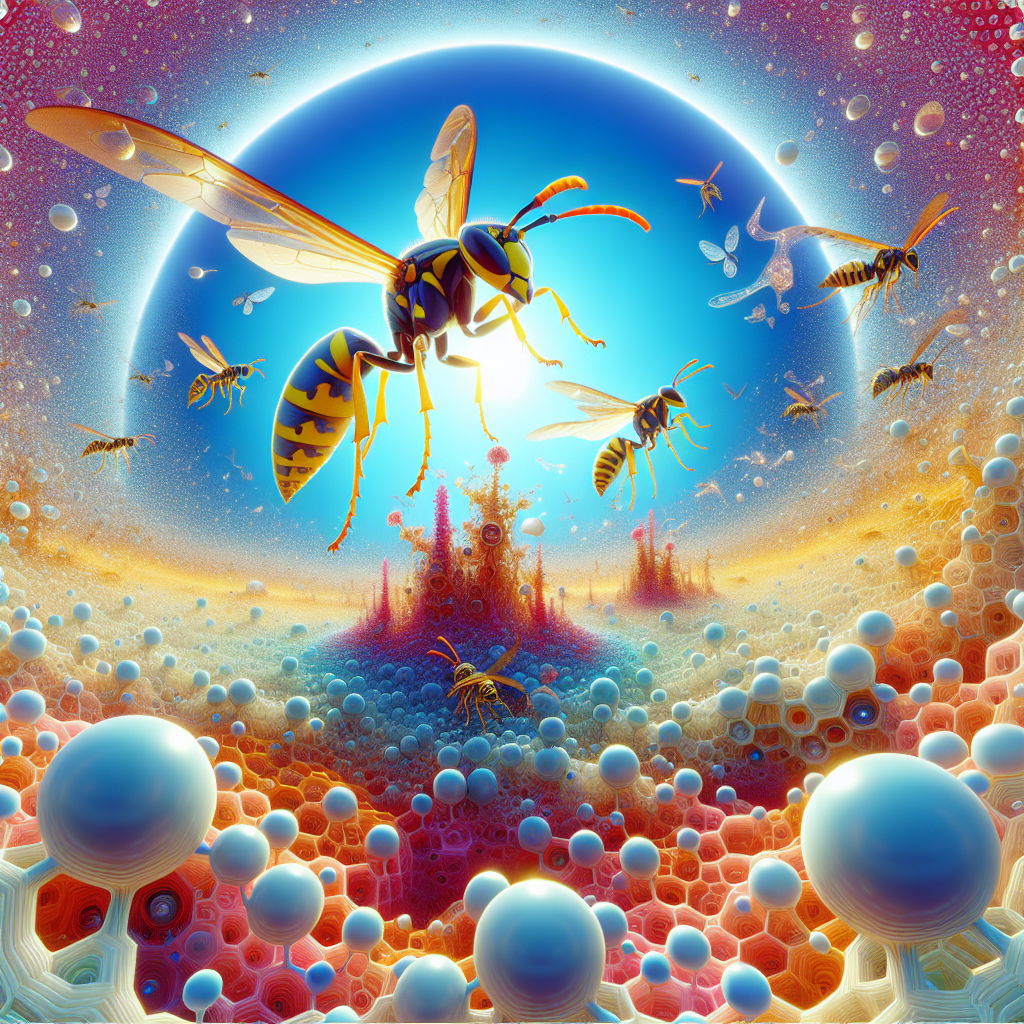

The Enigmatic World of Bathythrix: A Tiny Wasp with a Big Role
Imagine a creature so small yet so significant that it could change the balance of ecosystems. Meet Bathythrix, a genus of parasitic wasps that might not be on your radar but plays a crucial role in nature. These wasps, belonging to the family Ichneumonidae, are found in various parts of the world, including Europe and North America. They have been around for millions of years, quietly contributing to the delicate balance of ecosystems by preying on other insects. Their existence is a testament to the intricate web of life that sustains our planet.
Bathythrix wasps are fascinating for several reasons. They are parasitoids, meaning their larvae feed on or within another insect, eventually leading to the host's death. This might sound harsh, but it's a natural form of pest control. By targeting specific insect hosts, Bathythrix helps regulate populations of potential pests, which can be beneficial for agriculture and natural ecosystems. This natural pest control is crucial, especially in a world where chemical pesticides are increasingly scrutinized for their environmental impact.
The life cycle of Bathythrix is a marvel of nature. The adult female wasp lays her eggs on or near a host insect. Once the eggs hatch, the larvae feed on the host, eventually killing it. This process ensures that the wasp larvae have a food source, while also keeping the host population in check. It's a delicate balance, but one that has evolved over millions of years to maintain ecological harmony.
While Bathythrix might seem like a villain in the insect world, it's important to understand the broader ecological context. Every species, no matter how small, plays a role in the ecosystem. Bathythrix wasps help control populations of other insects, which can prevent outbreaks of pests that might otherwise damage crops or spread disease. In this way, they contribute to biodiversity and the health of ecosystems.
However, not everyone sees Bathythrix in a positive light. Some people view them as pests themselves, especially if they target beneficial insects. This perspective is understandable, particularly for those who rely on certain insects for pollination or other ecological services. It's a reminder that nature is complex, and what benefits one species might be detrimental to another.
The study of Bathythrix and other parasitic wasps is ongoing, with scientists continually discovering new species and learning more about their behaviors and ecological roles. This research is vital, as it helps us understand the intricate relationships between species and how they contribute to the health of our planet. By studying these tiny wasps, we gain insights into the broader ecological processes that sustain life on Earth.
In a world where biodiversity is under threat from habitat loss, climate change, and pollution, understanding and appreciating the role of creatures like Bathythrix is more important than ever. These wasps might be small, but they are a crucial part of the natural world. By recognizing their contributions, we can better appreciate the complexity and beauty of the ecosystems that surround us.
Bathythrix might not be the most glamorous of creatures, but their role in nature is undeniably significant. They remind us that every species, no matter how small or seemingly insignificant, has a part to play in the grand tapestry of life. As we continue to learn more about these fascinating wasps, we can better appreciate the delicate balance of nature and the importance of preserving it for future generations.