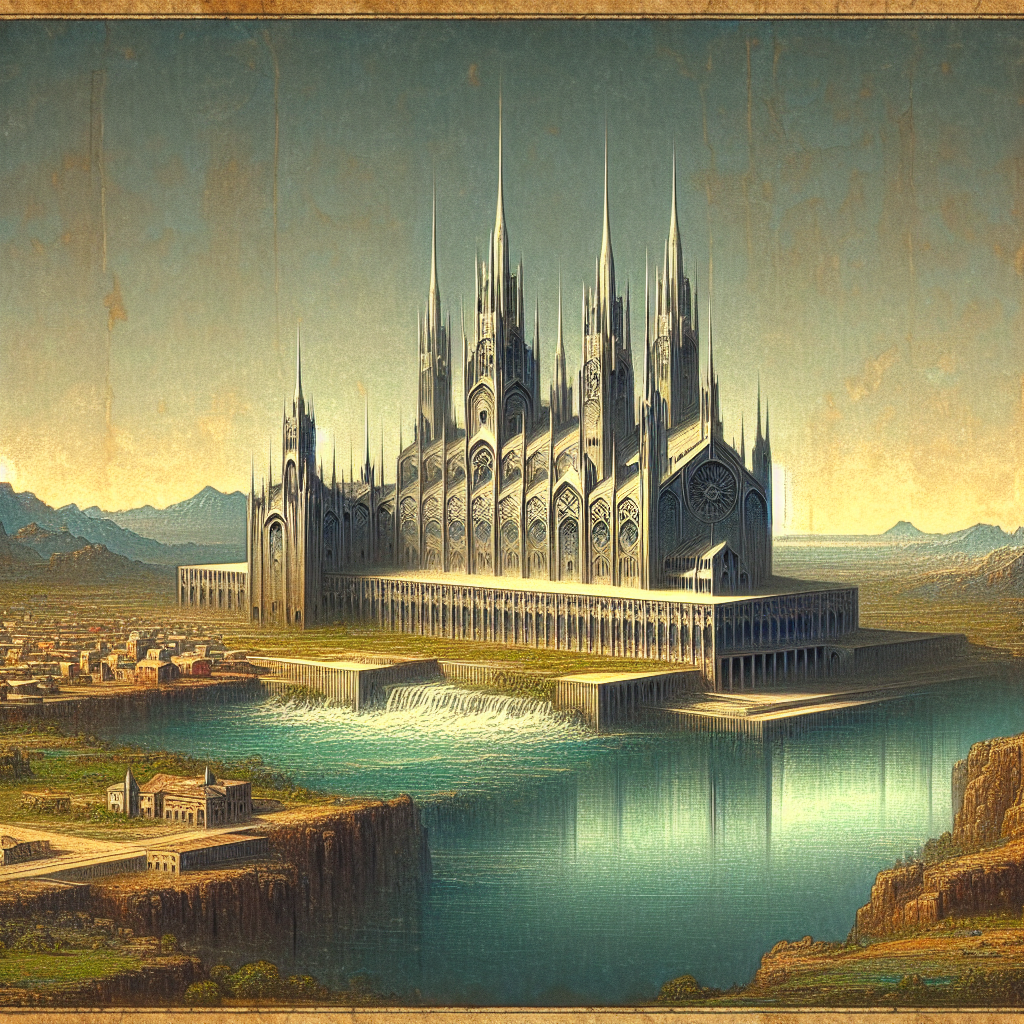

The Architectural Maestro of 17th Century Naples
Imagine a time when the streets of Naples were bustling with the energy of the Baroque period, and the city was a canvas for architectural innovation. This was the world of Bartolomeo Picchiatti, a renowned architect who left an indelible mark on the city during the 17th century. Born in 1571, Picchiatti was an Italian architect whose work primarily flourished in Naples, Italy. He was a key figure in the architectural transformation of the city, contributing to its grandeur and cultural heritage. His designs were not just about buildings; they were about creating spaces that resonated with the spirit of the time, blending functionality with the ornate style that defined the Baroque era.
Picchiatti's work was characterized by its boldness and creativity. He was involved in numerous projects that shaped the urban landscape of Naples. One of his most notable contributions was his work on the Royal Palace of Naples, a project that showcased his ability to blend traditional architectural elements with the emerging Baroque style. The palace became a symbol of power and elegance, reflecting the ambitions of the Spanish viceroys who ruled Naples at the time. Picchiatti's designs were not just about aesthetics; they were about making a statement, a testament to the political and cultural aspirations of the era.
While Picchiatti's work was celebrated, it also faced criticism. Some contemporaries argued that his designs were too extravagant, prioritizing form over function. They believed that the resources spent on such grandiose projects could have been better used elsewhere. This criticism highlights a common tension in architecture: the balance between beauty and practicality. However, Picchiatti's supporters argued that his work was a necessary expression of the cultural and political climate of the time, a way to assert Naples' importance on the European stage.
Despite the debates surrounding his work, Picchiatti's influence on Naples is undeniable. His architectural legacy can still be seen today, as many of his buildings continue to stand as testaments to his vision and skill. They serve as reminders of a time when architecture was not just about constructing buildings, but about creating a narrative, a story told through stone and mortar. His work invites us to consider the role of architecture in shaping not just cities, but the identities of the people who inhabit them.
In understanding Picchiatti's contributions, it's important to recognize the broader context of his work. The 17th century was a time of great change and upheaval in Europe, with shifting political powers and cultural movements. Architecture was a way to navigate these changes, to create a sense of stability and continuity amidst the chaos. Picchiatti's work was a reflection of this dynamic period, a blend of tradition and innovation that captured the essence of the Baroque era.
For today's generation, Picchiatti's work offers valuable lessons. It challenges us to think about the role of architecture in our own lives, to consider how the spaces we inhabit shape our experiences and identities. It also reminds us of the importance of creativity and vision in overcoming challenges and pushing boundaries. As we navigate our own complex world, we can look to figures like Picchiatti for inspiration, drawing on their legacy to inform our own efforts to create spaces that are not just functional, but meaningful.