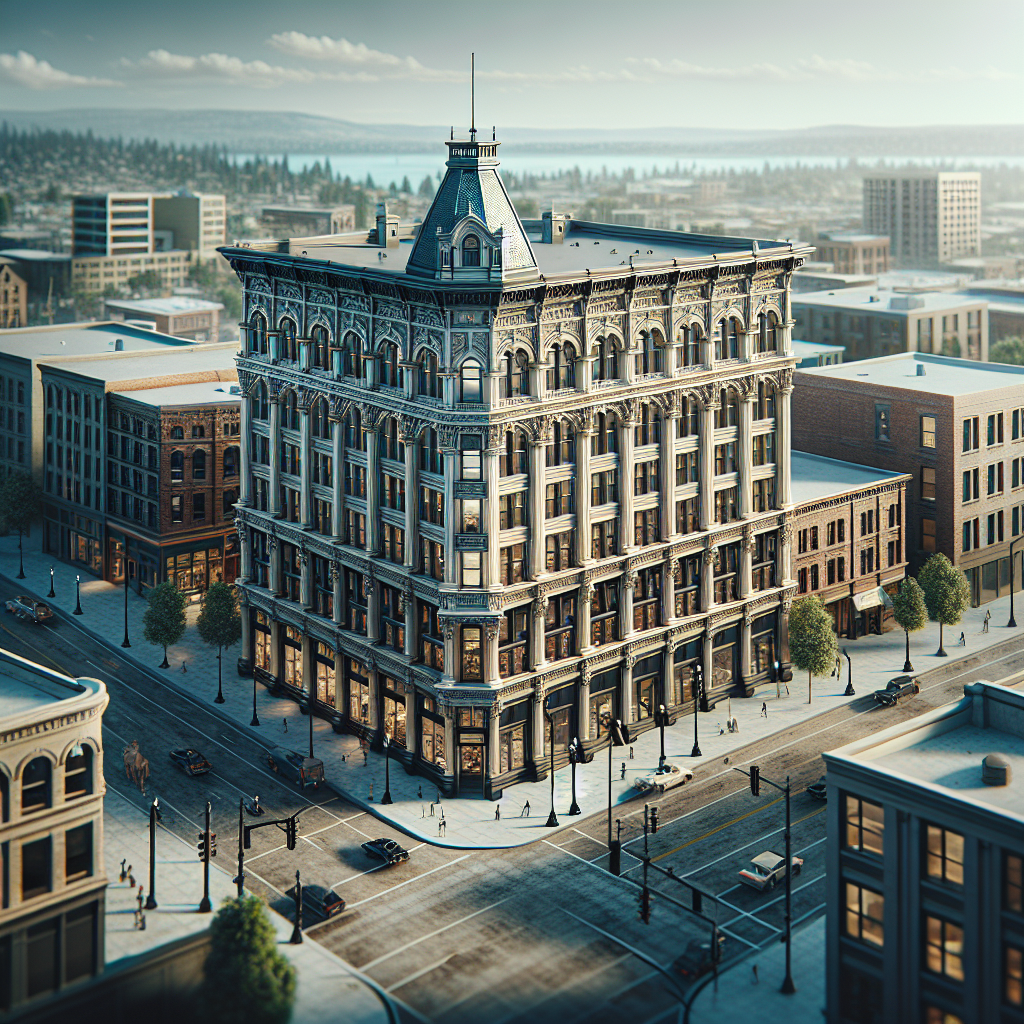

If walls could talk, the Barich Block in Rock Springs, Wyoming, would have stories more gripping than any drama. Erected in the late 19th century by visionary immigrant John Barich, the structure is an architectural time capsule in downtown Rock Springs, representing a dynamic period in American history. Over time, it has stood witness to cultural shifts, economic booms, and the ebb and flow of human experiences in this small but pivotal town. Today, Barich Block's historical significance lies not just in its rustic bricks and mortar but in its reflection of the American Dream.
John Barich's journey to Rock Springs was a tale of aspiration and resilience. Like many immigrants of his time, Barich left his homeland in pursuit of better opportunities in the burgeoning industries of the United States. Rock Springs, with its rich mineral resources and flourishing coal industry, was a magnet for such individuals. The Barich Block, built in 1900, served as a cornerstone for both commerce and community life. Initially, it housed a mix of shops and living spaces, a common practice then, making it the beating heart of local economic and social activities.
The architecture of the Barich Block is a testament to the late Victorian style, characterized by elegant brickwork and expansive windows. Underneath the vintage charm, it speaks volumes about the era's craftsmanship and attention to detail. The building’s design reflects a blend of practical functionality and aesthetic appeal, a combination that is often missing in today’s skyscrapers. It was built not merely as a structure but as a space for life’s myriad interactions.
Rock Springs itself has a vibrant history, a melting pot of cultures influenced by immigrants from Europe, Asia, and other parts of the world. The town was once a bustling hub due to its thriving coal mines, providing a livelihood to thousands. Yet, with prosperity came challenges; the cruel twist of labor struggles and the infamous Chinese Massacre of 1885 had lasting impacts on the social fabric of Rock Springs. The Barich Block, therefore, not only represents architectural beauty but is a reminder of the era’s social complexities and collective triumphs over adversity.
Today, the Barich Block stands as a historic landmark, attracting history buffs and architecture admirers alike. It serves as an anchor to the past, highlighting how communities grow, adapt, and sometimes struggle to maintain heritage amidst modernity’s rapid pace. There's a growing trend to preserve such historical edifices, driven by an awareness that these physical reminders provide invaluable insights into our cultural evolution.
Preservation, however, isn’t always a straightforward path. Economic constraints and varying opinions on development versus conservation are common hurdles. Critics argue that renovating these spaces can sometimes overshadow practical needs, suggesting that funds could be better allocated elsewhere. Yet, the preservationists emphasize that such structures foster tourism, education, and community pride, outweighing the immediate financial imperatives.
The conversation around historic preservation is evocative of broader societal dilemmas. It embodies the tension between progress and tradition, between economic development and cultural conservation. Each brick of the Barich Block urges us to question how much we value the stories etched into our environments.
While some embrace change, believing it signifies growth and forward movement, others cling to heritage, advocating that understanding our past is vital to shaping an inclusive future. This dialogue resonates with Gen Z's values as they navigate a world balancing technological advancement with the wisdom of old.
Barich Block’s ongoing story is an engaging reflection on the choices we make today. Do we tear down the old to make way for the new, or do we find a way to harmonize history with innovation? It reminds us that every generation faces its own version of this question. As more folks stroll past the Barich Block, pausing under its shadow, they are reminded of what came before. They walk over the same ground where immigrants like John Barich set their dreams into the literal foundation of a town.
In preserving or even just pondering over places like Barich Block, society acknowledges that history isn’t just dates and events in a textbook. It’s lived experience. It's the laughter and toil of those who made a home where only stone once stood, the silent witness of evolving destinies. So next time you find yourself in Rock Springs, perhaps by this classic building, let your thoughts wander over its stories. You might just find a reflection of your own path there, echoed back from the past.