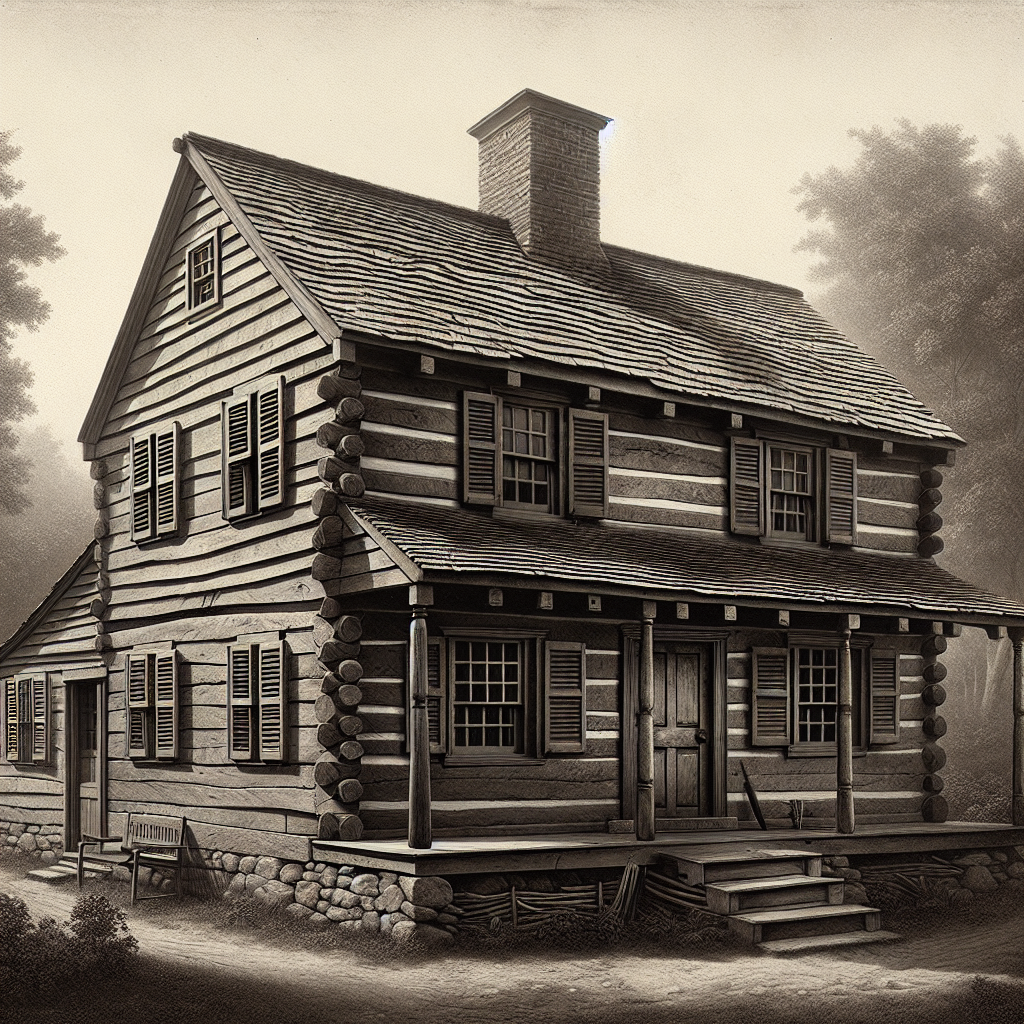

Imagine stepping into a time capsule where the whispers of history echo through aged wooden beams and creaky floors. This isn’t a scene from a time-travel movie but a reality at the Ball-Sellers House. Situated in Arlington, Virginia, this charming abode is not just any house—it’s the oldest residential property in the entire county. Initially built around the 1740s by John Ball, an English farmer, the home was later expanded by the Sellers family. The heritage seeping through its walls offers both a fascinating glimpse into colonial life and an important examination of how ordinary lives intertwined with the larger American narrative.
The Ball-Sellers House is more than bricks and mortar; it's a symbol of resilience and adaptation over centuries. This gem of a building transports you to the colonial era, providing an immersive experience into the world of people who once tread the same paths we do today. John Ball constructed the house as a humble log cabin, reflecting the architectural simplicity of the era. It served as both a family residence and a working farm. When Ball decided to move on, he sold the house to the next wave of inhabitants, the Sellers family. The Sellers took on the task of expanding it, leaving their mark and adding layers to its history.
For Gen Z, accustomed to rapid technological evolution and societal shifts, the Ball-Sellers House represents a stark contrast and serves as a reminder of how dramatically human lifestyles have transformed. While we are inundated with digital connectivity, the lives of the early inhabitants were anchored in community ties and the simplicity of survival. The house itself is a rugged scrapbook, carefully preserving carpentry techniques, handmade joinery, and the modest footprint of early American life.
Visitors exploring the Ball-Sellers House may sense a profound connection to the past as they walk through its doors. The house doesn’t boast lavish decor or extravagant architecture; instead, it speaks through the carefully preserved wattle and daub, revealing the economic conditions and practical necessities of the 18th century. These elements are physical narratives of a time before global superpowers and the internet, before consumerism and the constant clamor for more. For some, this offers a refreshing perspective on sustainable living and the minimalistic lifestyle, albeit due to necessity rather than choice.
The non-profit organization that currently manages the house, the Arlington Historical Society, aims to keep this historic treasure open for public education and appreciation. Their efforts underscore the importance of preserving such sites not just as artifacts but as active storytellers. These stories foster an understanding of different perspectives that make up the American experience, from colonial independence to the current diversity-filled community.
It’s important to recognize that historical preservations like the Ball-Sellers House invite different viewpoints about the significance of conserving past structures. Some critics argue that resources devoted to maintaining old buildings could be better spent addressing current societal issues like affordable housing and infrastructure improvements. But supporters counter that preserving history provides essential insights and reflections that can guide contemporary decision-making.
Engaging with history can be a powerful catalyst for social change. Understanding where we've been, and how struggles for freedom and equality were shaped, enriches the dialogue about where we’re going. Locations like the Ball-Sellers House offer more than a static history lesson—they encourage a dynamic reflection where past lessons can illuminate present challenges.
While initially developed by settlers, the area around the Ball-Sellers House has evolved into a bustling urban locality, reflecting the metamorphosis from a rural colonial past to a modern urban present. This transition also highlights the juxtaposition of historical preservation amidst developing cityscapes—an ongoing discourse about development versus preservation reflecting the larger conversation about progress versus conservation.
For those of us in Gen Z, often portrayed as change-seekers and digital natives, these places offer grounding moments. As beneficiaries of previous generations’ struggles and triumphs, acknowledging sites like the Ball-Sellers House places our push for societal change into greater context. It’s about more than knowing the past; it’s about using that awareness to fuel our journey forward.
In a rapidly evolving world, the timeless stories encapsulated in historic sites bolster our understanding of how ordinary lives contribute to a nation’s tapestry. Ball-Sellers House stands as a quiet testament to the daily resilience and adaptability of individuals who came before, prompting us to consider how future histories are being written today, influenced by actions small and large.