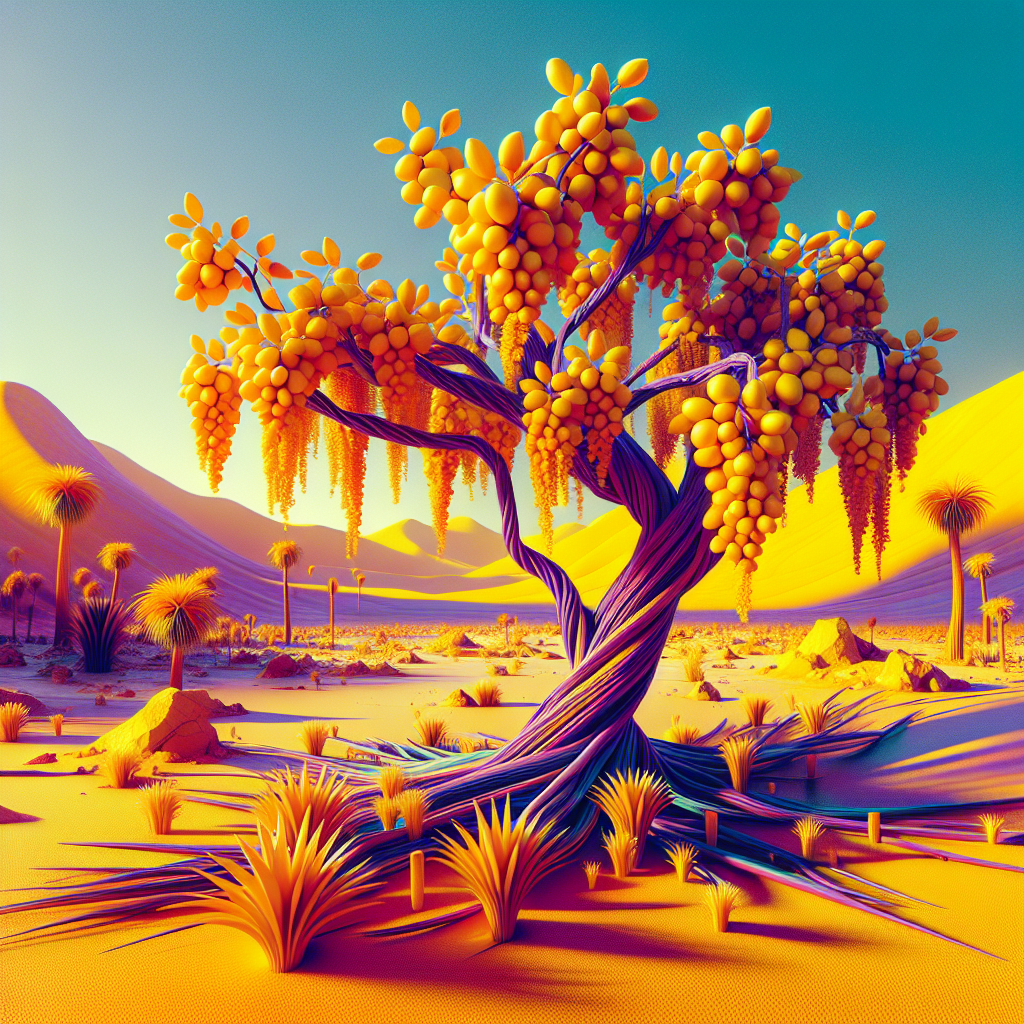

The Enigmatic Balanites Aegyptiaca: Nature's Hidden Gem
Imagine a tree that thrives in the harshest of environments, providing sustenance and hope to those who live in its shadow. This is the Balanites aegyptiaca, commonly known as the desert date tree. Found primarily in the arid regions of Africa and parts of the Middle East, this resilient tree has been a vital resource for centuries. Its fruits, seeds, and even bark have been used for food, medicine, and various other purposes. The Balanites aegyptiaca has been around for thousands of years, adapting to the challenging climates of the Sahara and Sahel regions, and continues to be a beacon of survival and sustainability.
The Balanites aegyptiaca is not just a tree; it's a lifeline for many communities. Its fruits are rich in nutrients, providing essential vitamins and minerals to those who consume them. The seeds are often pressed to extract oil, which is used in cooking and as a base for traditional medicines. The tree's bark and leaves have been used in folk remedies, believed to treat ailments ranging from digestive issues to skin conditions. In regions where food scarcity is a constant threat, the desert date tree offers a reliable source of nutrition and health benefits.
However, the significance of the Balanites aegyptiaca extends beyond its practical uses. It plays a crucial role in the ecosystem, providing shade and shelter for wildlife in the desert. Its deep roots help prevent soil erosion, maintaining the delicate balance of the environment. The tree's ability to thrive in arid conditions makes it an important species for reforestation efforts in areas affected by desertification. By planting and nurturing these trees, communities can combat the encroaching desert and restore their lands.
Despite its many benefits, the Balanites aegyptiaca faces challenges. Climate change and human activities threaten its natural habitat, putting pressure on the tree's survival. Overharvesting of its fruits and seeds can lead to a decline in tree populations, affecting both the environment and the people who depend on it. Efforts to conserve and sustainably manage this resource are crucial to ensure its continued availability for future generations.
Some may argue that focusing on a single tree species is not enough to address the broader issues of climate change and food security. They might suggest that more comprehensive strategies are needed, involving a variety of plants and technologies. While this perspective is valid, the Balanites aegyptiaca serves as a reminder of the importance of biodiversity and the need to protect all elements of our ecosystems. Each species, no matter how small or seemingly insignificant, plays a role in the larger environmental picture.
For Gen Z, who are increasingly aware of environmental issues and the importance of sustainability, the story of the Balanites aegyptiaca is both inspiring and instructive. It highlights the resilience of nature and the potential for humans to live in harmony with the environment. By learning from traditional practices and supporting conservation efforts, young people can contribute to a more sustainable future.
The Balanites aegyptiaca is more than just a tree; it's a symbol of hope and resilience. Its ability to thrive in harsh conditions and provide for those around it is a testament to the power of nature. As we face the challenges of climate change and environmental degradation, the lessons from this remarkable tree can guide us toward a more sustainable and harmonious relationship with our planet.