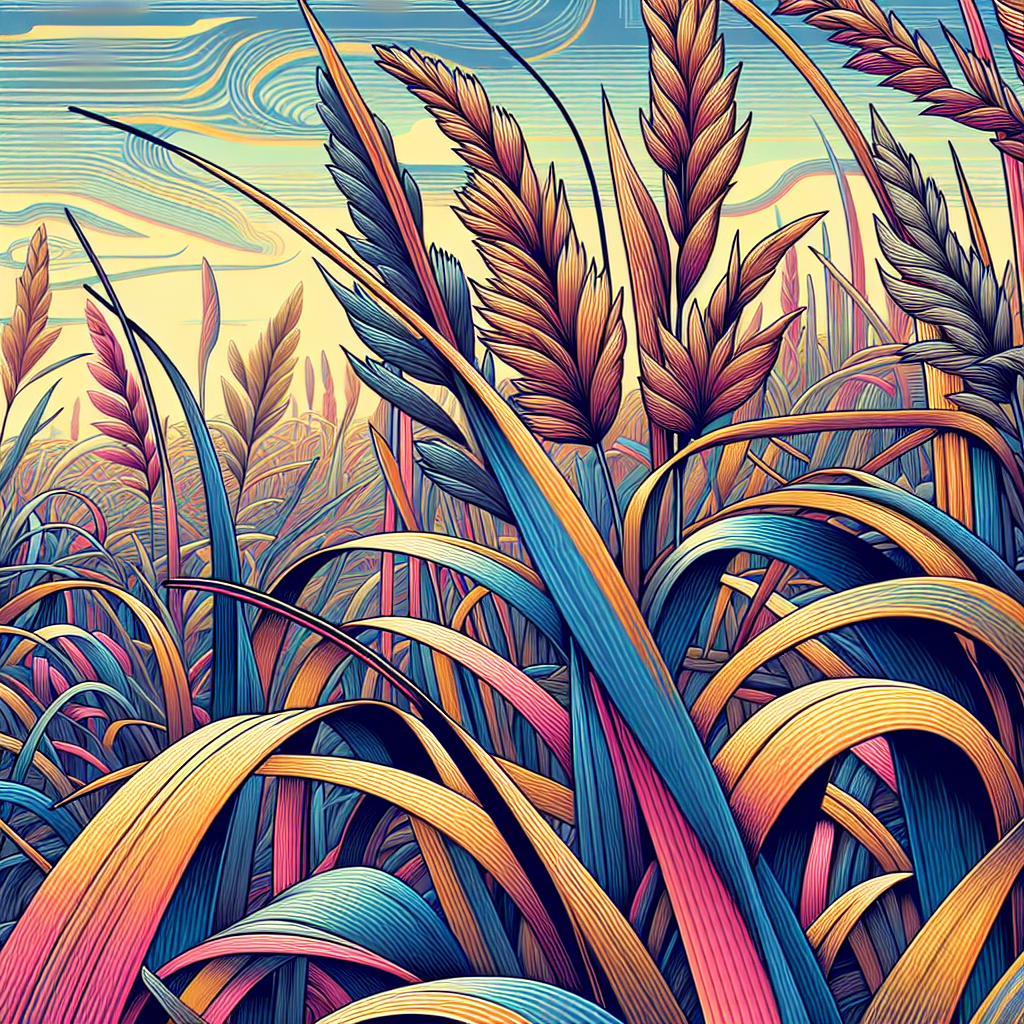

The Fascinating World of Arundineae: A Closer Look at Reed Grasses
Imagine a world where grasses are not just the green carpet beneath our feet but towering giants that sway gracefully in the wind. Welcome to the world of Arundineae, a tribe of reed grasses that have captured the attention of botanists and nature enthusiasts alike. Arundineae is a group of grasses that includes species like the common reed (Phragmites australis) and giant reed (Arundo donax). These grasses are found in wetlands and along riverbanks across the globe, from the marshes of North America to the riverbanks of Europe and Asia. They have been around for centuries, playing a crucial role in their ecosystems by providing habitat and food for wildlife, stabilizing soil, and even being used by humans for various purposes.
Arundineae grasses are not just important for their ecological roles; they also have a rich cultural history. In many parts of the world, these grasses have been used for thatching roofs, making musical instruments, and even as a source of biofuel. The giant reed, for example, has been used in the Mediterranean region for centuries to make reeds for woodwind instruments. This cultural significance highlights the deep connection between humans and the natural world, showing how we have relied on these plants for both practical and artistic purposes.
However, the story of Arundineae is not all positive. In some regions, these grasses have become invasive, outcompeting native plants and disrupting local ecosystems. The common reed, in particular, has been a cause for concern in North America, where it has spread rapidly and altered wetland habitats. This has led to debates about how to manage these invasive species while still recognizing their ecological and cultural importance. It's a complex issue that requires balancing conservation efforts with the needs of local communities and ecosystems.
From an environmental perspective, the invasive nature of some Arundineae species poses a significant challenge. These grasses can form dense stands that crowd out native vegetation, reducing biodiversity and altering the structure of ecosystems. This can have cascading effects on wildlife, as many species depend on native plants for food and shelter. Efforts to control invasive Arundineae often involve mechanical removal, herbicides, or even the introduction of natural predators. However, these methods can be costly and may have unintended consequences, such as harming non-target species or further disrupting ecosystems.
On the other hand, proponents of Arundineae argue that these grasses can offer benefits, particularly in terms of erosion control and carbon sequestration. Their extensive root systems help stabilize soil, reducing the risk of erosion in vulnerable areas. Additionally, as fast-growing plants, they can absorb significant amounts of carbon dioxide, potentially helping to mitigate climate change. This dual role as both a problem and a solution makes Arundineae a fascinating subject for environmental scientists and policymakers.
The debate over Arundineae also touches on broader themes of how we interact with nature. It raises questions about the role of humans in managing ecosystems and the ethical considerations of intervening in natural processes. Should we prioritize the preservation of native species, or should we embrace the adaptability and resilience of invasive ones? These are not easy questions to answer, and they require careful consideration of ecological, cultural, and economic factors.
For Gen Z, who are increasingly aware of environmental issues and the importance of sustainability, the story of Arundineae offers valuable lessons. It highlights the complexity of ecological systems and the need for thoughtful, informed decision-making. It also underscores the importance of understanding the interconnectedness of human and natural systems, as well as the potential for innovative solutions to environmental challenges.
In the end, Arundineae is more than just a group of grasses. It represents the intricate dance between nature and humanity, a dance that requires balance, respect, and a willingness to learn from both the past and the present. As we continue to explore and understand this fascinating tribe of grasses, we are reminded of the beauty and complexity of the natural world and our place within it.