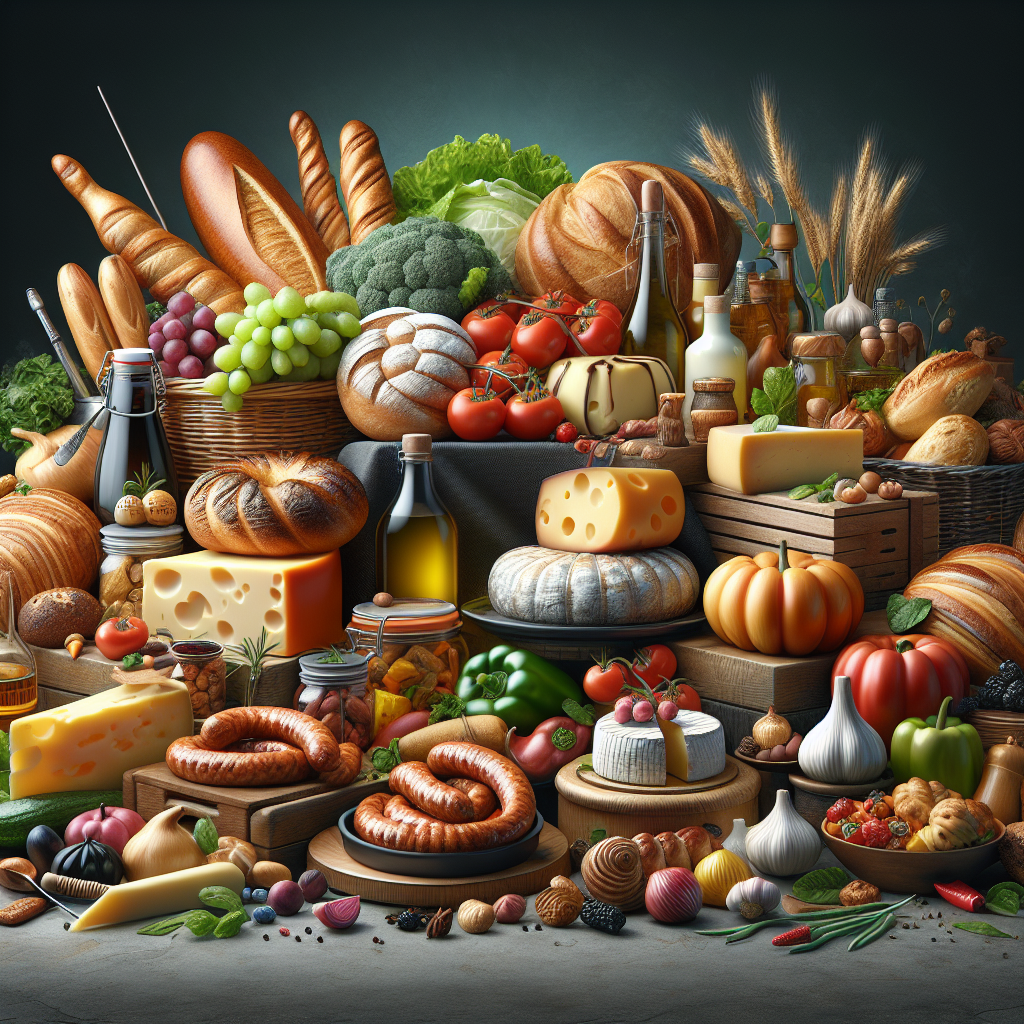

If you've ever been lucky enough to stumble upon a farmers market or a hip local eatery, you’ve likely experienced the magic of artisanal food. Artisanal foods are crafted by skilled creators who are passionate about their work. These products are often made by hand with high-quality ingredients, regardless of when or where they are produced, challenging mass-produced food that prioritizes quantity over quality.
The term ‘artisanal’ suggests a commitment to a process that values tradition, individuality, and a personal touch. It’s about preserving ancient baking techniques, harnessing the simplest agricultural methods, or fermenting cheese just so. Artisanal food creators are part of a movement that rebels against the industrialized food giants. They believe in the power of slow food, which means taking the time to eat and appreciate what is on your plate.
What makes artisanal food special is the story behind each product. Whether it’s a unique blend of spices passed down through generations or bread made from ancient grains sourced from a local farm, each item is tied to a history and culture. For consumers, enjoying these foods isn’t just a culinary experience but also a connection with another life, tradition, and community.
This focus on the personal and the unique means that artisanal food can be more expensive than its commercial counterparts. Critics argue that this makes artisanal options inaccessible to many. But the artisans defend their price points, saying that they reflect fair wages and the higher costs of premium ingredients. They see it as an investment in quality nutrition and a commitment to sustaining small-scale, ethical farming and production practices.
Artisanal food extends beyond just farm produce. It encompasses craft beers from microbreweries, handmade chocolates, meticulously aged cheeses, and even kombucha brewed in someone's basement. This versatility adds to the charm and appeal of artisanal products. It opens up possibilities and experimentation, effectively turning food into an art form. Each product tells a narrative that about more than just sustenance—a story about passion, dedication, and, often, incredible journeys.
Generation Z and millennials have been particularly supportive of the artisanal food movement. Young people tend to be more conscious of what they eat and where it comes from. Sustainability, ethical sourcing, and quality are significant elements considered in their purchasing decisions. This aligns with the artisanal food ethos, creating a symbiotic relationship between the new wave of food producers and consumers.
However, we must address the counterarguments. Not everyone sees artisanal products through rose-colored glasses. Critics express concern over the sustainability of artisanal food and whether it can feed the growing global population. They view it as a niche market that doesn’t have the capability to meet the world's dietary needs. Bigger food manufacturers emphasize efficiency and affordability and argue that artisanal cannot sustain a planet of billions.
Additionally, criticisms have emerged regarding the overuse of the term ‘artisanal,’ questioning what truly qualifies to be labeled as such. In some cases, companies have adopted the title without altering production processes, simply due to a marketing trend. This dilutes the term’s meaning and makes it increasingly difficult to distinguish genuinely artisanal products from those that simply claim the label.
Amidst these debates, the artisanal movement perseveres, driven by food rebels who want to maintain the essence of tradition while embracing innovation. Artisanal makers are often pioneers, experimenting with sustainable methods and creating healthier, tastier food without compromising ethics.
For consumers drawn into the heart of the artisanal food world, it often feels like a win-win. While they feed their bodies, they also satisfy a hunger for authenticity and purpose. As we navigate through various food movements and fads, artisanal remains a flavorful rebellion, embodying a passionate pushback against the homogenization of our food systems.
This burgeoning trend is about more than just the food on the plate. It’s about shaping future food systems that are equitable, nutritious, and diverse. Artisanal foods symbolize a choice to support small businesses, promote sustainability, and cherish quality over quantity. They encourage us all to think critically about our consumption habits.
Ultimately, artisanal food challenges us to reassess our relationship with what we eat. It invites us to revel in both the taste and tales behind each creation. Whether you are already a devoted aficionado or a curious newcomer, there’s a whole world of artisanal wonders waiting to be explored, each bite an invitation to join a bigger conversation about food’s role in our lives.