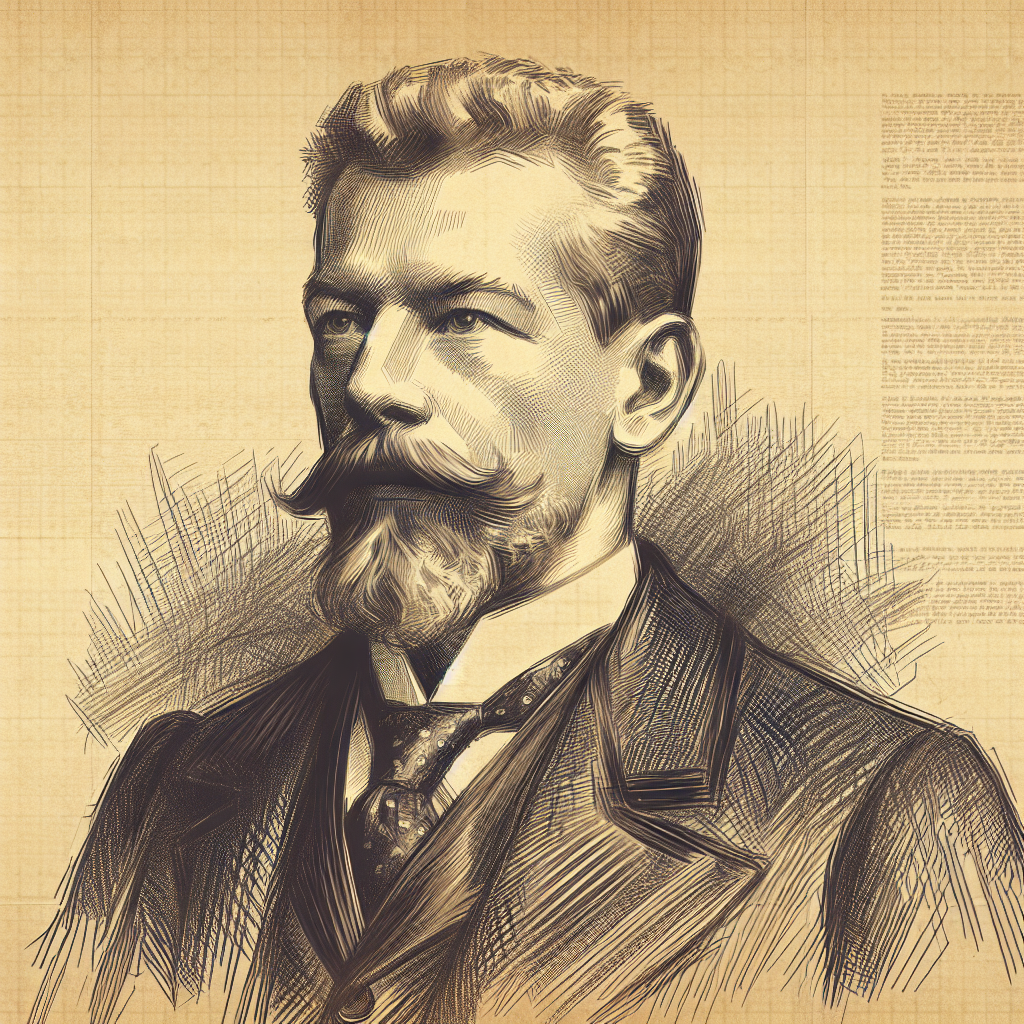

Imagine a world where the political landscape constantly shifts, as if caught in a whirlwind, and that's where we find António Teixeira de Sousa. This notable figure served as the last Prime Minister of Portugal's constitutional monarchy, an era just before the Republic is established. Born in 1857, in Celeirós - part of the Braga District, Teixeira de Sousa climbed up his political career by initially working as a military doctor, a journey that led him to become deeply involved in the turbulence of early 20th-century Portuguese politics.
But who exactly was António Teixeira de Sousa? He was essentially a career physician before diving into the political arena. His entrance into politics was marked by his election as a representative in 1892. Thanks to his liberal ideals and pragmatic approach, Teixeira de Sousa managed to weave his way through the political fabric of his time, eventually becoming the finance minister before rising to the premiership in 1910. His tenure, though brief, played a crucial role in steering Portugal towards modernity, albeit under immense pressure from both political and social fronts.
Teixeira de Sousa's time as Prime Minister was short - serving from 26 June to 5 October 1910. A period adorned with challenges, it's akin to being handed the wheel of a ship in a storm without an anchor. The monarchy during his era faced immense pressure from various factions, all demanding more democratic representation. What makes his tenure even more significant was the sense of loyalty and duty he displayed towards a kingdom that was gradually slipping away from its royal roots.
His policies, however, were often shaped by the pressing financial debt that Portugal struggled with at the time. Imagine juggling fire as you try to cook a meal, and you get an idea of the predicament he was in. Teixeira de Sousa’s financial strategies were thought to stabilize the economy and the value of the Portuguese currency. Yet, the constant rift between the monarchical aspirations and emerging republican sentiments left little room for effective governance.
By 1910, the republic forces were gathering fervor, aiming for a new dawn that they believed could solve the nation's woes. Teixeira de Sousa found himself caught in the midst of these forces. The eventual fall of the monarchy was an unstoppable tide, sweeping away any remaining hold of monarchical governance in October 1910. On witnessing the rise of the Republic, Teixeira de Sousa resigned, marking an end to his tenure and the beginning of Portugal's new era.
Interestingly, Teixeira de Sousa's life didn't end in bitter resistance or exile. Instead, he continued contributing as a respected physician, leaving behind the tumultuous realm of politics. Acknowledging the role of a monarchist operating at the cusp of revolutionary change, it’s vital to empathize with Teixeira de Sousa’s position. Although many celebrated the birth of the Portuguese Republic, it’s equally poignant to recognize the uncertainties faced by those who served the old guard.
For today's youth and politically aware readers, appreciating the complexities of Portugal's past like that of Teixeira de Sousa reveals insights into the broader struggles of nations in balancing tradition and progressive values. By looking at his journey, one can ponder about the roles various systems of governance have played in shaping societies. Moreover, the lessons from the fall of the monarchy and rise of the republic reflect on how power structures, however stable they might seem, can transform rapidly when confronted with ideologies appealing to democratic and liberal viewpoints.
In a broader context, the story of António Teixeira de Sousa shows us the timelessness of political challenges. His experiences underline the struggle in preserving one’s ideals amid changing political landscapes. Such historical perspectives are not mere accounts of the past but are resonant with today's ongoing dialogues about governance, social justice, and economic stability in various parts of the world. Acknowledging this history not only honors figures like Teixeira de Sousa but also enriches our understanding of contemporary political discourse.