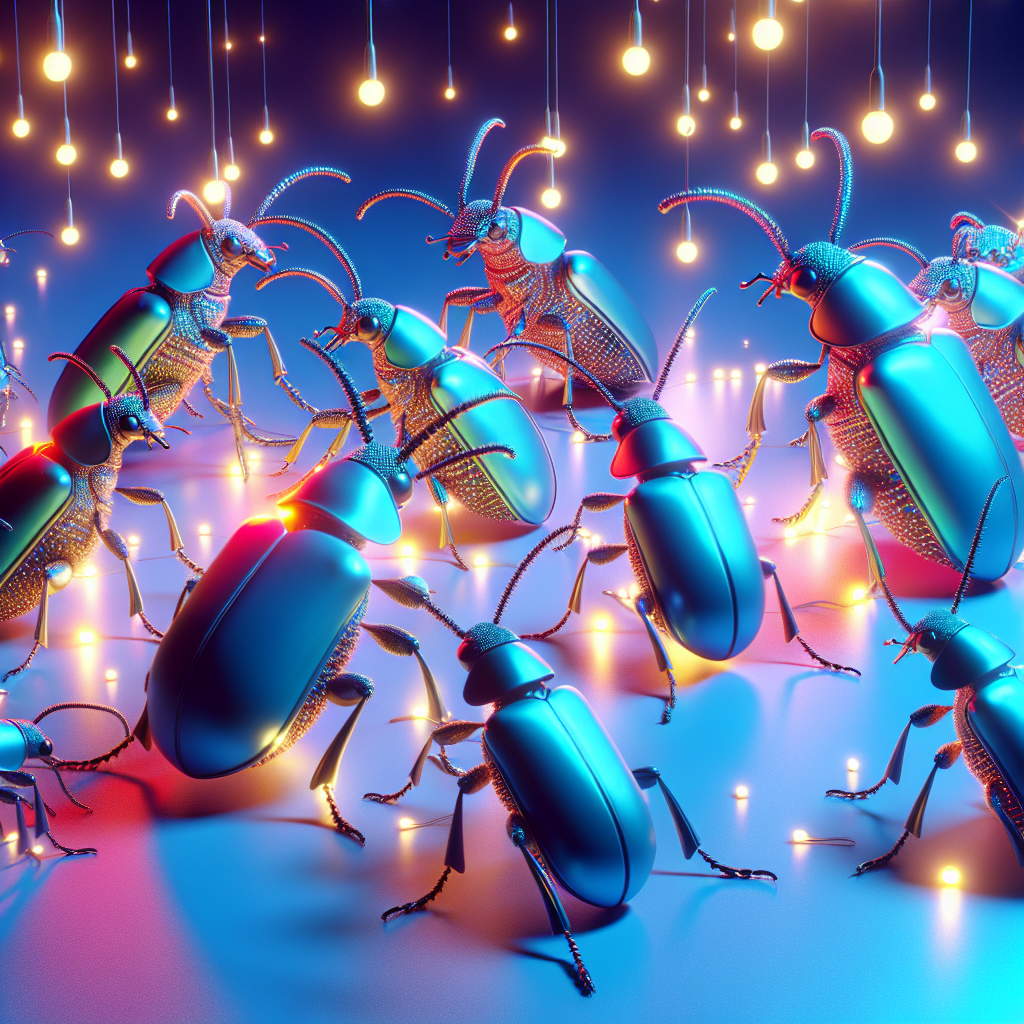

What's shiny, bedecked in festive gold, and loves to crash your Christmas party? Meet the Anoplognathus pallidicollis, stylishly known as the bright yellow Christmas beetle. During the humid festivities of an Australian summer, this peculiar beetle emerges for its grand entrance, adding sparkle to eucalyptus trees and sometimes sneaking an invite to your evening barbeque.
The Anoplognathus pallidicollis, aka the Christmas beetle, belongs to a group of beetles that have charmed entomologists and nature lovers alike. This beetle is native to Australia and is typically most visible from November to February. But don't be fooled by its glamorous exterior. Its striking gold-and-green coat is a byproduct of hardened wings known as elytra, a characteristic shared with other members of the scarab family. It’s not just about looks; these critters have built quite a reputation, especially among Australians who have mixed feelings about them.
Why, you ask? On one hand, this beetle is an intrinsic part of Australia's summer landscape, almost synonymous with the holiday spirit, much like reindeer in the North Pole. Kids find them fascinating, and for some adults, they bring a nostalgic whiff of childhood summers gone by. Their presence is tied with warm memories of Christmas day's heat waves, park picnics, and outdoor luncheons under the sharp southern sun.
But, as much as nostalgia stirs kindness, there's another crowd that's not so jolly about these beetles. For farmers and gardeners, they can be little golden terrors. Christmas beetles have an insatiable appetite for eucalyptus leaves, causing significant defoliation, which can harm young trees. For urbanists and planners worried about the health of green spaces, they present a challenge.
On top of that, their numbers fluctuate with environmental changes. Populations of this festive insect have shown a decline in some areas, a trend echoing a broader environmental concern. Climate change, habitat destruction, and pollution possibly contribute to their decreasing numbers. It's a reminder of the intricate balance required by nature to ensure sustainability. Opposing views consider these beetles pests, advocating for their population management, while environmentalists emphasize preserving their habitat to maintain biodiversity.
What’s compelling is how the Anoplognathus pallidicollis fits into wider ecological stories. They play a crucial role in aerating the soil during their larval stage. Much like earthworms, the larvae help to break down organic matter and enrich the soil—a service essential to healthy landscapes. An opportune reminder of how pivotal even the smallest creatures are to our ecosystem.
Given that these beetles are indicative of broader environmental trends, discussions around their population also reflect our responsibility towards sustainable practices. As advocates of ecological preservation stress, nurturing our interactions with bugs like the Christmas beetle ensures we honor biodiversity and sustainability in our holiday traditions.
For those living in areas with significant beetle numbers, it's about finding a balance between celebrating their presence and managing their impact on agriculture and urban flora. Simple steps such as supporting local reforestation projects and avoiding harmful pesticides can support both the beetles and their trees.
In embracing the beetle, we are reminded of the delicate dance between humans and nature. Our generation holds the responsibility to decide whether these beetles remain a Christmas spectacle for centuries to come, or become a faint memory. Observing their spirals amidst the humid air invites us to reflect on the harmony we must nurture with our environment. Interrogating how we treat the Anoplognathus pallidicollis today could lead us to broader sustainable actions tomorrow.