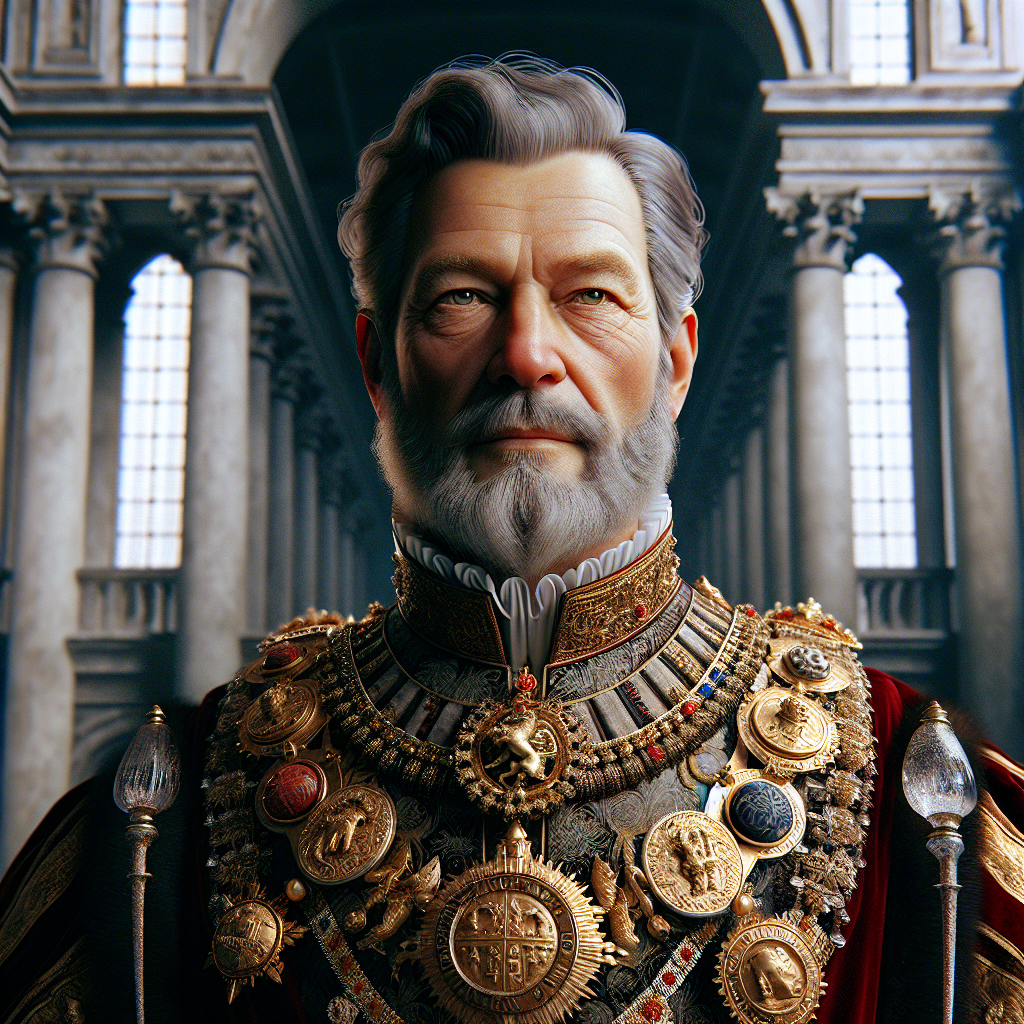

Andrea Vendramin might not flash immediately into the minds of those who’ve just finished binging the latest Netflix historical drama, but he certainly deserves a binge-worthy spot in history. In the bustling atmosphere of 15th century Venice, Andrea Vendramin served as the Doge from 1476 until his death in 1478. This was a time when Venice wasn't just a pretty backdrop for gondola selfies but was at the zenith of its commercial and naval power. His reign, though short, represents an intriguing chapter in the intricate tapestry of Venerian politics that shaped Europe.
Venice, Veneto, Italy; this is the place where Andrea Vendramin's story unfolds. Before taking office as the Doge, his influence was already notable. He was born into the powerful Vendramin family, a name that was a frequent whisper in the corridors of Venetian power. The Vendramin family had become exceptionally wealthy through commerce and astute marriages, being profoundly involved in the politics of Venice.
In a setting where alliances shifted like the tides, Vendramin navigated these narrow channels with finesse. Serving in different capacities prior to his Dogeship, his roles were instrumental in preparing him to steer the ship of Venice itself. During the 15th century, the city was not only a hub of trade but was also dealing with challenges like the looming Ottoman threat and maintaining its influence across the Mediterranean.
What makes Andrea Vendramin's legacy still resonate today isn’t a long list of grand battles won or territories conquered. Instead, it's the subtle yet significant way in which Vendramin contributed to sustaining Venice's glory. His administration was one of stabilization. In times of uncertainty, his decisions on trade and diplomatic relations were crucial to keeping Venice afloat, financially and strategically.
However, like in practically all leadership roles, Vendramin faced his share of criticisms and challenges. The world was not yet a global village, but the marketplaces of economic ideas and political doctrines were becoming interconnected. The Venetians of the era showcased a culture where economic policies often intersected with political maneuvering. Vendramin had his work cut out for him in maintaining Venice’s competitive edge among other Italian city-states and European powers.
Critics from a more economically cautious perspective might argue that the Doge’s support of burgeoning commerce and constant mercantile expansion was a risky path paved with vulnerabilities. Yet, Vendramin seemed to comprehend the shifting dynamics of that era—the dawn of a more interconnected world crafted by commerce and diplomacy, not just warfare.
Reflecting on Andrea Vendramin's tenure today, particularly when viewed through the lens of current global political dynamics, shows striking parallels. The necessity for balancing aggressive economic expansion with diplomatic wanderlust echoes the challenges faced by current world leaders. Like the Doge’s Venice, modern societies grapple with maintaining balance in a world rapidly connecting on every possible front.
It’s sobering yet invigorating to imagine Vendramin navigating these complex waters and leaving an indelible mark on Venice's legacy. Gen Z, a generation growing up in an era of digital revolution and political tumult, might find inspiration in Vendramin’s steady hand on the wheel. It speaks to the power not just of loud, dramatic changes, but of the quiet, persistent course corrections that can steer the ship in an entirely new direction.
In understanding historical figures like Andrea Vendramin, the young and informed can see shades of the Venice Doge in today's economic and geopolitical strategies. They can appreciate the art of subtle yet profound influence, the tricky task of mastering the fine balance between ambition and strategy. If history truly is a mirror reflecting the present, then Vendramin’s legacy is a shining example worth pondering for anyone concerned with the future of leadership and diplomacy.