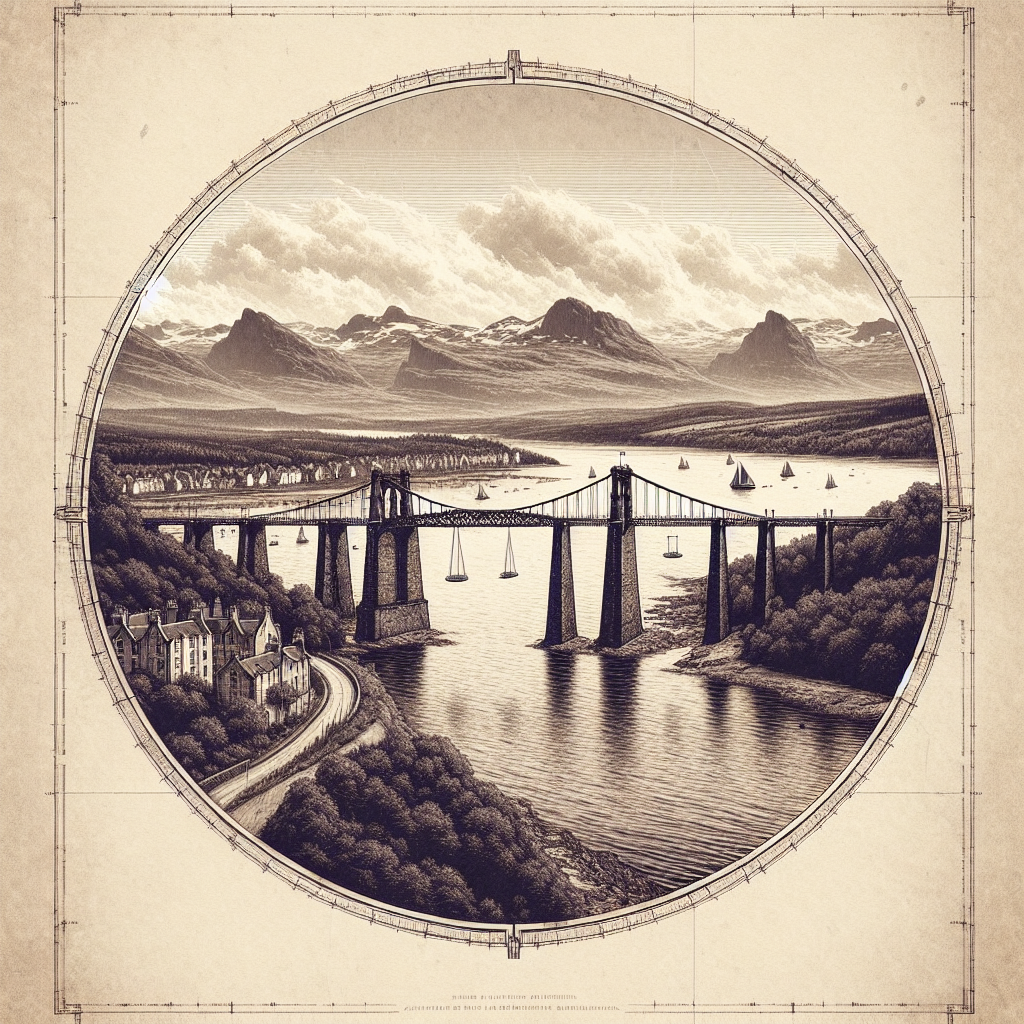

Imagine a bridge with a mind of its own, a majestic structure that swivels to make way for passing ships. Welcome to the Alloa Swing Bridge, a marvel of 19th-century engineering. Constructed in 1885 over the River Forth, it connects Alloa to the Clackmannanshire region in Scotland. This bridge has witnessed history in motion, serving as both an essential transport link and a relic evoking nostalgia for an era gone by. One might wonder why a swing bridge, rather than a static one, was built in this location. It boils down to its strategic position over a busy shipping channel, requiring a functional and flexible solution to accommodate river traffic.
Engineered by the renowned Sir John Wolfe-Barry—the same mind behind London's Tower Bridge—the Alloa Swing Bridge reflects the innovative spirit of its time. During the height of the industrial revolution, such innovation was crucial. Railways were expanding rapidly across the UK, with demand for coal and iron increasing exponentially. A flexible bridge allowed the burgeoning rail network to cross waterways without disrupting the vital shipping lanes that were critical to the industrial economy.
As trains crisscrossed Scotland, the swing mechanism enabled the bridge to pivot horizontally, clearing the path for ships of varying sizes. The design was exquisite in its simplicity—a reminder that sometimes form faithfully follows function. This pivoting prowess ensured the bridge remained an integral part of both rail and maritime systems.
In recent years, calls to restore and repurpose the Alloa Swing Bridge have sparked conversations. As we lean towards sustainability and try to preserve our heritage, such discussions gain traction. Visions of converting it into a pedestrian or cycling path echo the broader societal trend towards greener transport solutions. While some might argue that the costs of restoration are prohibitive, there's a counterpoint in cherishing and revitalizing historic architecture, adding value to local communities.
The notion of repurposing historic structures isn't new. In cities worldwide, old railway lines have found new life as urban parks, promenades, and leisure routes. It's a nod to past utility while adapting to contemporary needs, a balance that resonates with the ongoing dialogues about sustainable and community-centric urban planning.
However, not everyone shares this enthusiasm for transformation. Budget constraints and debates over the allocation of resources present valid concerns. It’s a delicate balance between progress and preservation. Passionate locals and history enthusiasts often face pushback—perhaps from those wary of change or skeptical of the practicality of such projects.
Despite opposition, many argue that there's something to gain from preserving memories encapsulated in metal and stone. The Alloa Swing Bridge is a case in point. It is not just a structure for crossing; it embodies the stories of the workers who built it, the ships that passed beneath, and the trains that rumbled overhead. For Gen Z, who may not have lived through its operational prime, revamping the bridge could anchor them to a sense of place and history, enriching their connection to Scotland’s industrial past.
As society moves forward, the place of history in modern contexts continuously evolves. Sustainable development doesn't negate history; it incorporates it, weaving the past into our present tapestry. Conversations about the Alloa Swing Bridge remind us that while innovation propels us forward, respect for our past grounds us.
The Alloa Swing Bridge stands as a testament to architectural ingenuity, historical significance, and the potential for future use. Its story is not just about engineering feats but also about bringing communities together, bridging the gap between history and modern needs, much like the bridge itself once connected disparate places. Isn’t it fascinating how even the most utilitarian structures can leave an indelible mark on society?