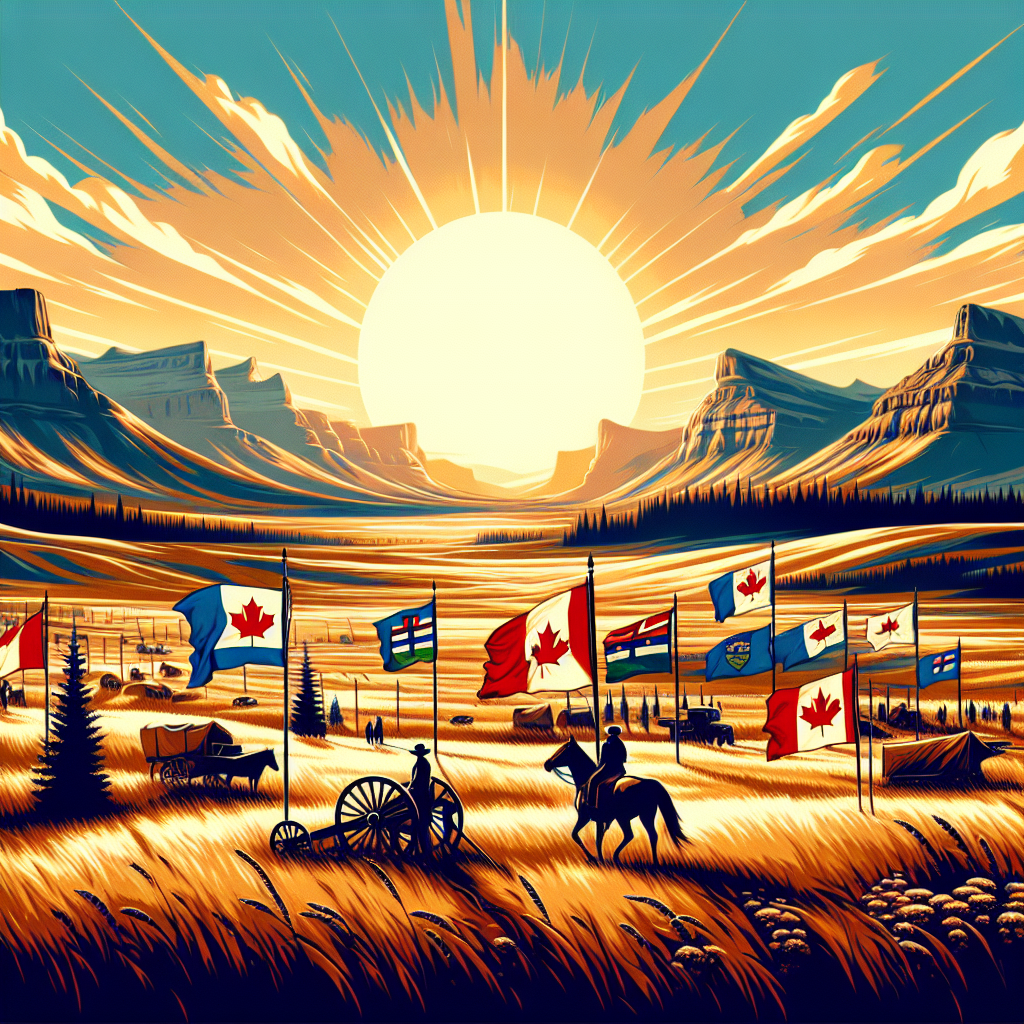

Imagine if one day Montana decided it wanted to leave the United States. Sounds wild, right? That's sort of the vibe in Alberta, a province in Canada where talk of separatism has been on the rise. Alberta separatism refers to the growing voices within this energy-rich province that believe perhaps it would be better off as its own entity, separate from Canada. This is happening right now in a world where borders seem more fixed than flexible.
Why would Albertans feel this way? The dissatisfaction boils down to a couple of key issues. Economically, they argue that their voice isn't being properly heard in Ottawa, the Canadian capital. They feel their vast energy resources contribute significantly to the national economy, yet they are not seeing fair returns. Political complaints also stem from disagreements over policies like carbon taxes and federal environmental restrictions that many feel unfairly penalize Alberta’s oil and gas industries.
This isn't the first time separatist feelings have echoed through Alberta. Historically, it has ebbed and flowed. The last big surge was during the 1980s, a time when federal economic policies, particularly the National Energy Program, clashed heavily with Alberta’s interests. Fast forward to today, with global focus on climate change and shifts in energy consumption, many Albertans feel under siege. They think that as the world changes, the province's needs and priorities are being sidelined.
For many Gen Zers in Alberta, separatism might sound like a blast from a really boring textbook, but it’s more like watching history mix with a Netflix drama. The climate crisis, oil sands, and pipeline disputes are at the forefront, while social media fuels discussions, spreading ideas and frustrations faster than any traditional media can keep up. In this digital-driven, attention economy, it gives new life to age-old grievances. Not to mention, separatism is kind of becoming a social phenomenon you can witness on your feed, as lively debates transform into online movements.
But what about those who aren’t too hot on the idea of a break? Well, there's a substantial group of Albertans who are quite comfortable within Canada. They argue that maintaining the unity of Canada is more beneficial in the long run, stressing economic stability and cooperation. They believe separatism often overlooks the complex interdependence of economies, resources, and people, which makes the divorce messy and complicated. They worry that outside the federation, Alberta would face challenges such as international trade barriers, currency issues, and defense concerns.
While it might be easy to get caught up in the romanticism of ‘freedom’ and ‘independence’, there are those who point out that it sounds a lot like an emotional response, potentially short-sighted and fueled by temporary discontent, rather than evaluated long-term strategic planning.
So, what drives the growing support among the younger demographic? A mix of fierce provincial pride and frustration with the status quo. Some see Alberta as a region constantly having to fight to assert its rights within a federation that feels overly centralized and unrelenting. Economic contributions and voter representation feel imbalanced at best—just adding to the flame.
Predicting the future of Alberta separatism is like trying to predict the next viral meme. Who knows what could tip the scales? Changes in political leadership can soften or strengthen these sentiments, or international pressures such as global oil prices could play pivotal roles.
As Alberta navigates these turbulent times, the conversation around separatism continues to make waves. Engaging with the complexities of this issue demands acknowledging grievances while striving for collective solutions. It’s about understanding diverse voices, differentiating between sentiment and strategy, and shaping a path that balances progress with prosperity.