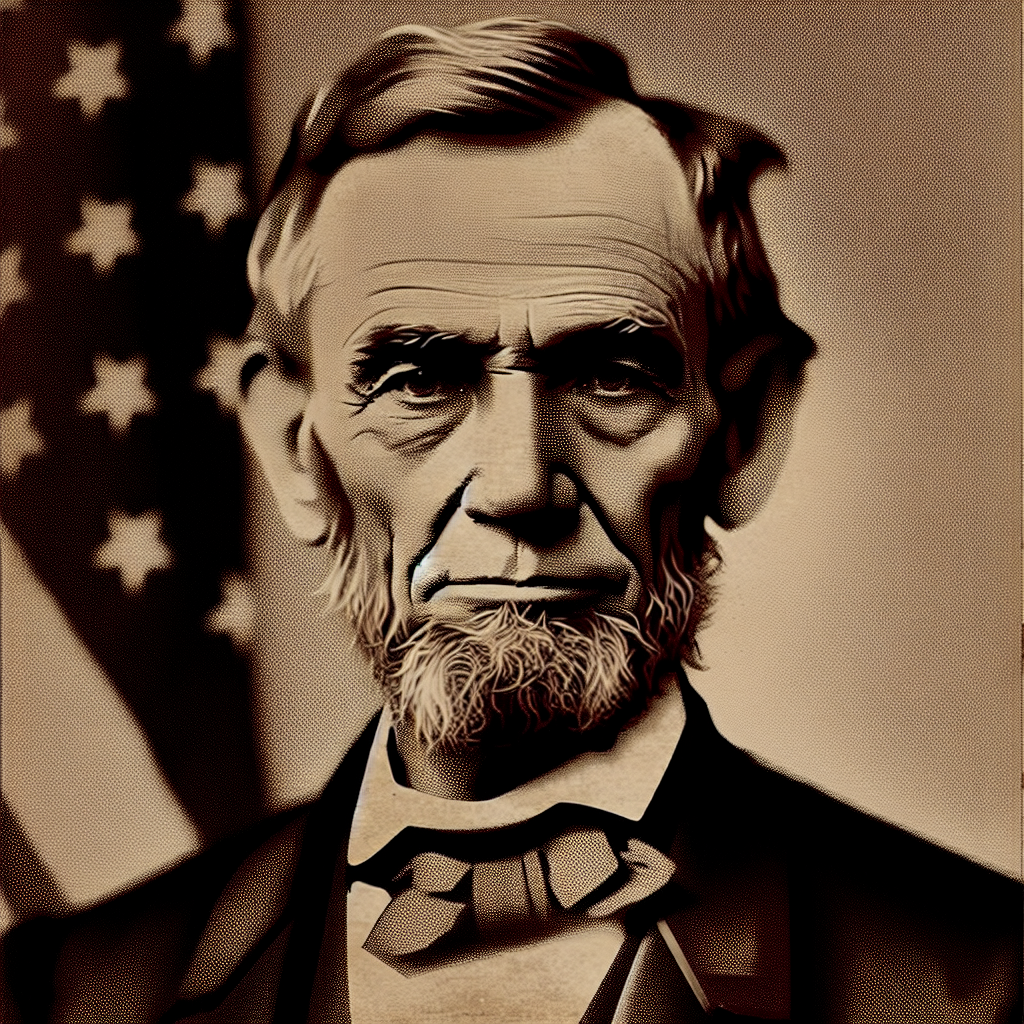

In the turbulent times of pre-Civil War America, Albert Hazlett was not just another face in the crowd; he was a daring abolitionist who fought for freedom and justice. Born in 1837 in Pennsylvania, he became captivated by the fiery mission of John Brown, a leading figure in the fight against slavery. Hazlett's path led him to join Brown's audacious raid on Harpers Ferry in 1859, an attempt meant to incite an armed slave revolt. The event, which took place at a federal armory in what is now West Virginia, was both bold and doomed. But it signaled the smoldering tensions that would soon erupt into the American Civil War.
Hazlett’s involvement in this raid made him a significant character, albeit not as famous as Brown himself. The attack on Harpers Ferry was a momentous gesture against the institution of slavery. However, it also brought heavy consequences. With firearms blazing, Hazlett and his fellow raiders intended to capture the armory, liberate enslaved people, and provoke rebellion. While the raid ultimately failed, its implications were vast. Hazlett himself evaded capture at first but was later apprehended, standing trial as one of the revolutionaries trying to disrupt a prejudiced system.
Understanding Hazlett requires piecing together bits of a life lived in the shadows of history’s more prominent advocates for freedom. After the raid, Hazlett fled but was caught near Carlisle, Pennsylvania. When he stood trial, he remained steadfast, revealing the depths of his convictions. His execution in March 1860 in Charles Town, Virginia (now West Virginia), made him a martyr for the abolitionist cause, yet he remains lesser-known compared to his contemporaries.
The differing perspectives during Hazlett's time were stark. To some, John Brown and his followers, including Hazlett, were heroic martyrs sacrificing themselves in the fight against the moral abomination of slavery. To others, they were radicals, threatening the peace and established order. It’s crucial to remember that these complex views still echo in present-day debates about protest, justice, and civil rights. The challenge is understanding the dire necessity that drove people like Hazlett to such extreme acts.
Interestingly, Hazlett, like many involved in the raid, was motivated by a profound sense of justice. The emotional and moral weight of living in a nation divided by slavery was unbearable for those who wanted to see freedom triumph over oppression. Hazlett believed that drastic times called for drastic measures. This conviction drove him into the risky arms of civil disobedience.
In today’s context, we often find ourselves reflecting on similar moral dilemmas. Movements that call for social change, such as Black Lives Matter and climate change protests, draw passionate reactions from all sides of the political spectrum. Like Hazlett, modern activists often feel vilified or praised, depending on one's perspective. These ongoing debates bear the weight of the historical journeys paved by figures like Albert Hazlett.
Hazlett's life prompts us to think critically about what it means to stand up for justice, even when the odds seem insurmountable. History is full of unsung heroes whose stories remind us that change often comes through the courage to stand for what is right. For Gen Z, understanding Hazlett’s commitments and sacrifices can be a beacon of inspiration, nurturing aspirations to challenge wrongs and foster equity in contemporary society.
The spirit of Hazlett lives on in every act of resistance that seeks to dismantle the unjust systems. While Hazlett may not be a household name, his life and actions speak directly to the heart of activism. It behooves us to sift through the past's complexities to grasp what drives individuals toward radical actions. Whether viewed as hero or villain, Hazlett's fight for freedom addressed the core notion of equality and justice that continues to resonate.
Albert Hazlett's legacy may sit in the footnotes of history, overshadowed by more famous abolitionists, but he symbolizes the fierce human desire to rectify wrongs. His story should be a reminder: when historical narratives seem rigidly set, there will always be those ready to reshape them, fearless in their quest for justice.