
Alan Sonfist: The Artist Who Paints with Nature
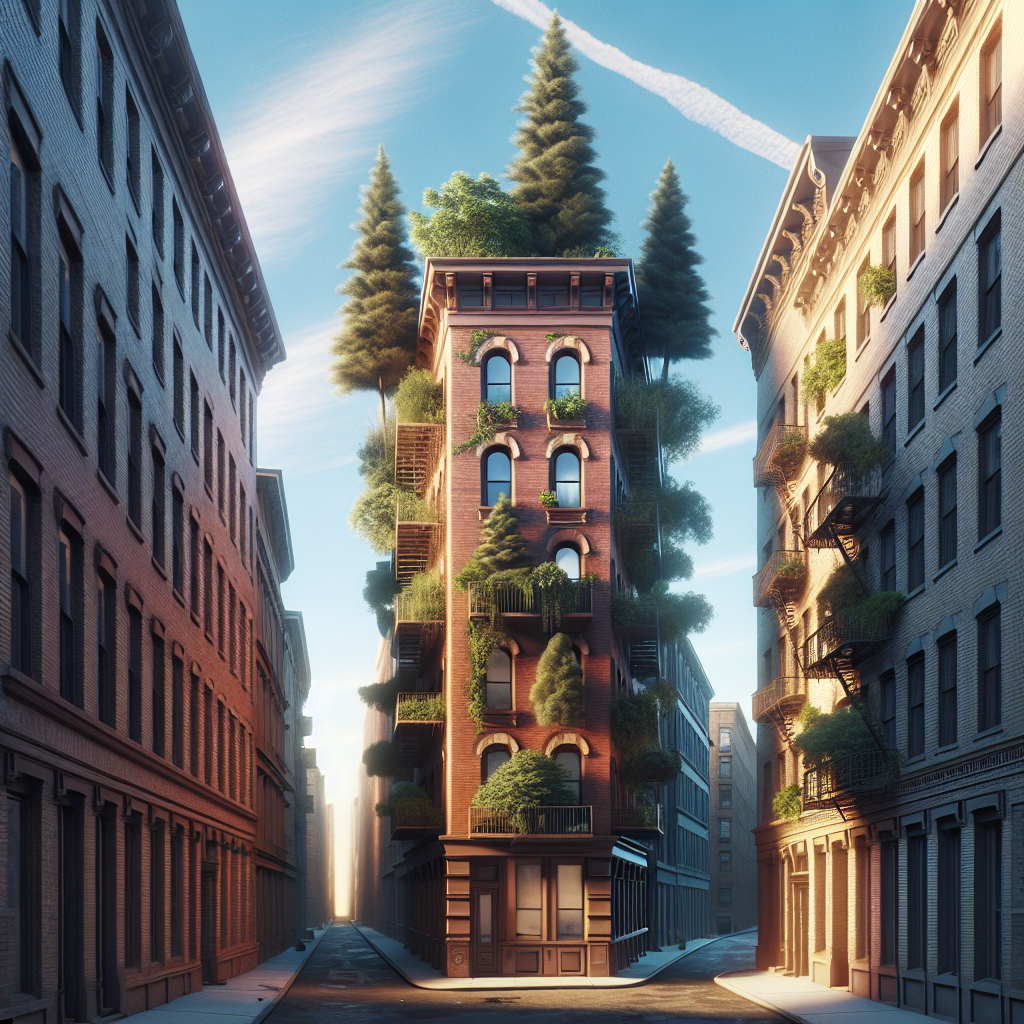
Imagine an artist who doesn't just paint nature but uses nature itself as his canvas and medium. That's Alan Sonfist, an innovative environmental artist who has been transforming urban landscapes since the 1960s. Born in 1946 in the Bronx, New York, Sonfist is best known for his groundbreaking work, "Time Landscape," which he began in 1965 and officially unveiled in 1978 in Manhattan. This living sculpture is a testament to his vision of integrating natural elements into urban settings, aiming to remind city dwellers of the ecological history of their environment.
Sonfist's work is a response to the rapid urbanization and environmental degradation that characterized the mid-20th century. He wanted to create spaces that not only beautified cities but also educated the public about the natural history that existed long before skyscrapers and concrete jungles. "Time Landscape" is a re-creation of the indigenous forest that once thrived in Manhattan, serving as a living museum of the area's ecological past. This project was revolutionary because it challenged the traditional notions of art and public space, blending them with environmental activism.
While many celebrate Sonfist's work for its innovative approach to art and ecology, some critics argue that his projects can be impractical or difficult to maintain. Urban environments are not always conducive to sustaining natural landscapes, and the upkeep of such projects can be costly and labor-intensive. However, Sonfist's supporters believe that the educational and aesthetic benefits far outweigh these challenges. They argue that his work encourages a necessary dialogue about sustainability and our relationship with nature, which is increasingly relevant in today's world.
Sonfist's influence extends beyond "Time Landscape." He has created numerous site-specific installations worldwide, each tailored to the unique ecological and cultural context of its location. His projects often involve extensive research into the local flora and fauna, as well as collaboration with ecologists, historians, and community members. This collaborative approach ensures that each piece is not only an artwork but also a reflection of the community's natural heritage.
In a world where climate change and environmental issues are at the forefront of global concerns, Sonfist's work is more relevant than ever. His art challenges us to reconsider our relationship with the natural world and to recognize the importance of preserving our ecological history. By bringing nature into urban spaces, he offers a vision of cities that are not only sustainable but also enriched by their natural surroundings.
For younger generations, particularly Gen Z, who are increasingly aware of and engaged with environmental issues, Sonfist's work serves as both inspiration and a call to action. It reminds us that art can be a powerful tool for change, capable of transforming not just landscapes but also mindsets. As we face the challenges of the 21st century, artists like Alan Sonfist show us that creativity and innovation can play a crucial role in shaping a more sustainable future.