
The Wild Tale of Aimo Koivunen: The Soldier Who Overdosed on Meth
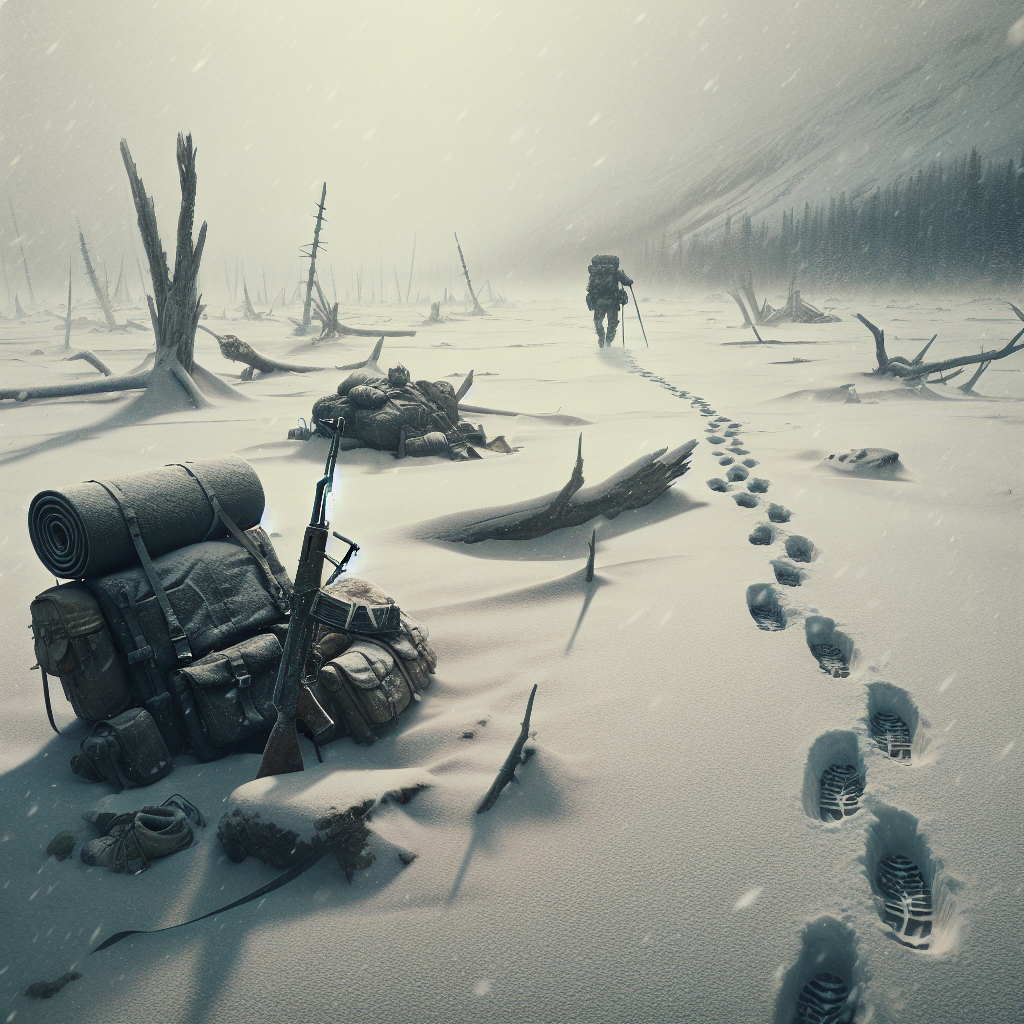
In the midst of World War II, a Finnish soldier named Aimo Koivunen found himself in a situation that sounds more like a wild action movie than a historical event. It was March 1944, and Koivunen was part of a Finnish ski patrol in Lapland, a region known for its harsh, snowy terrain. The patrol was on a mission to evade Soviet forces, but things took a bizarre turn when Koivunen accidentally ingested a massive dose of methamphetamine, a drug that was issued to soldiers to help them stay alert. This incident led to an extraordinary survival story that has fascinated people for decades.
Koivunen's ordeal began when his patrol was ambushed by Soviet troops. As they attempted to escape, Koivunen, exhausted and desperate, reached for his supply of Pervitin, a methamphetamine-based stimulant. In the chaos, he accidentally consumed the entire supply, which was meant to be distributed among the whole patrol. The effects were immediate and intense. Instead of a small boost, Koivunen was propelled into a state of hyperactivity and hallucination, which led him to ski for over 400 kilometers over the course of several days, without food or proper rest.
The use of methamphetamine during World War II was not uncommon. Both the Axis and Allied forces distributed stimulants to their troops to enhance performance and endurance. However, Koivunen's experience was an extreme case of what could happen when these drugs were misused. His story highlights the ethical and practical dilemmas of using performance-enhancing drugs in military contexts. While they can provide short-term benefits, the long-term consequences can be unpredictable and dangerous.
Koivunen's journey through the snowy wilderness was a test of human endurance and resilience. Despite the hallucinations and physical strain, he managed to survive in the harsh conditions of Lapland. He encountered wild animals, navigated treacherous terrain, and even survived a landmine explosion. His survival was not just a testament to his physical strength but also to his mental fortitude. The human body and mind can endure incredible hardships, but Koivunen's story also serves as a cautionary tale about the limits of human endurance and the dangers of drug misuse.
From a modern perspective, Koivunen's story raises questions about the ethics of drug use in extreme situations. While some might argue that the use of stimulants was justified given the dire circumstances, others might point out the potential for abuse and the long-term health risks. Today, the use of performance-enhancing drugs is a controversial topic, not just in military settings but also in sports and other fields. Koivunen's experience is a reminder of the complex interplay between human needs, ethical considerations, and the unpredictable nature of drug effects.
Koivunen's story is not just a historical curiosity; it is a reflection of the human spirit's capacity to overcome adversity. It also serves as a reminder of the ethical challenges that arise in times of war and crisis. While his experience was unique, the questions it raises are universal. How far should we go to enhance human performance? What are the ethical boundaries in life-and-death situations? These are questions that continue to resonate today, as we grapple with the implications of new technologies and substances that promise to push the limits of human capability.
In the end, Aimo Koivunen's tale is a fascinating blend of history, survival, and ethical inquiry. It challenges us to think about the lengths we are willing to go to in order to survive and the potential costs of those choices. His story is a testament to the resilience of the human spirit, but it also serves as a cautionary tale about the dangers of relying on artificial means to push beyond our natural limits.