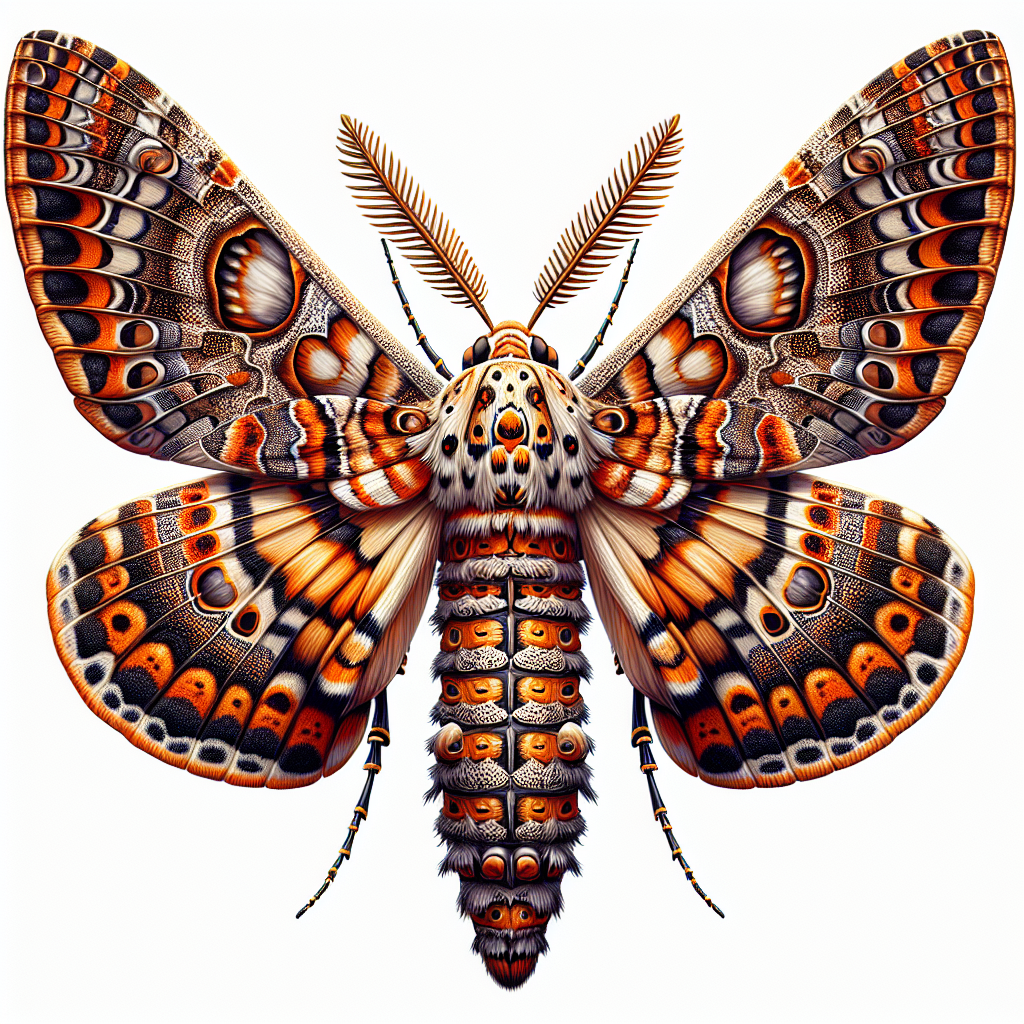

Ailanthus webworm moth might not be the first name you think of when picturing colorful pollinators, but hang tight. This little fella is both stunning and quirky, flipping between beauty and nuisance. Native to South Florida, these moths are energetic little creatures buzzing around, often mistaken for butterflies due to their bright orange and white spots that bring a dash of vibrancy to trees and flowers. The kicker? The Ailanthus webworm isn’t just a pretty face; it’s an essential player in its ecosystem during its adult life, despite its web-designing past.
In its earliest life stage, the webworm doesn’t have such a stellar reputation. Resulting from the larvae of the Atteva genus, these creatures are notorious among Ailanthus altissima, the so-called 'Tree of Heaven'. This tree, originating in China, has spread throughout North America. The webworms have a knack for crafting intricate webs in which they feed on these trees' leaves. They can defoliate branches and sometimes entire trees, sparking debates over what’s of higher value—saving a tree known for rapid invasion or letting moths who are ecologically integrated play their role.
The interaction between Ailanthus webworms and Ailanthus trees raises an interesting conversation about invasive species. The 'Tree of Heaven' spreads vigorously, often outcompeting and displacing native flora. Many see the webworm as a natural check, unintentionally playing hero for biodiversity by limiting the tree’s overgrowth. However, others argue that the moths can be a concern in their own right, particularly when their populations explode and start affecting non-target plants.
For those who spot these moths zipping around flowering plants, their presence is benign and even beneficial. The adult webworms serve as pollinators, joining the ranks of bees and butterflies in supporting the vital cycle of plant reproduction. Small yet effective, they contribute to the vibrancy of the ecosystem, sweetening their image post-larva metamorphosis.
Climate plays a significant role in their life cycle. The spread of Ailanthus webworms northwards as temperatures rise exemplifies how changing climates adjust the bug’s range of living. With warmer regions allowing larvae more survivability, debates emerge on the impact this could have on native vegetation and agricultural practices.
Gen Z, growing up in an age where ecological consciousness is part of the DNA, could draw valuable lessons from the Ailanthus webworm’s duality. Here’s a species both positive and pest-handling environmental challenges with a nuance that sparks larger debates seen across various aspects of climate education and conservation.
Some environmentalists advocate for targeted bio-control methods, using organisms like the webworm to manage invasive plants without chemicals. Still, this approach isn’t without its critics. Concerns over balance and unintended consequences always linger—exemplifying the complexity of ecosystem management. Some locals appreciate the aesthetics provided by the adult moth’s vibrant colors while simultaneously lamenting over the larvae’s appetite.
The Ailanthus webworm’s life reminds us of the thin lines between beneficial, benign, and nuisance status in species; It invites questions about our role in ecosystems and our perceptions of non-human life. True, they may complicate outlooks on invasive species and eco-balances, yet they also teach holistic views. Approaching these creatures with the same curiosity and critical thinking as one might approach societal innovations or cultural shifts can uncover potential solutions to broader environmental issues.
While many may approach Ailanthus webworms with mixed feelings, their existence on this wild planet cannot be narrowed down to a single narrative. By appreciating their role, whether it's as seedlings munching away or grown moths adding splashes of color and serving environmental functions, we gain insights into Earth’s intricate ecological webs. Balancing between nuisance and necessary, Ailanthus webworms open dialogues—ones that matter as we head into a future where every action, and every creature, can play an impactful part in sustaining balance.