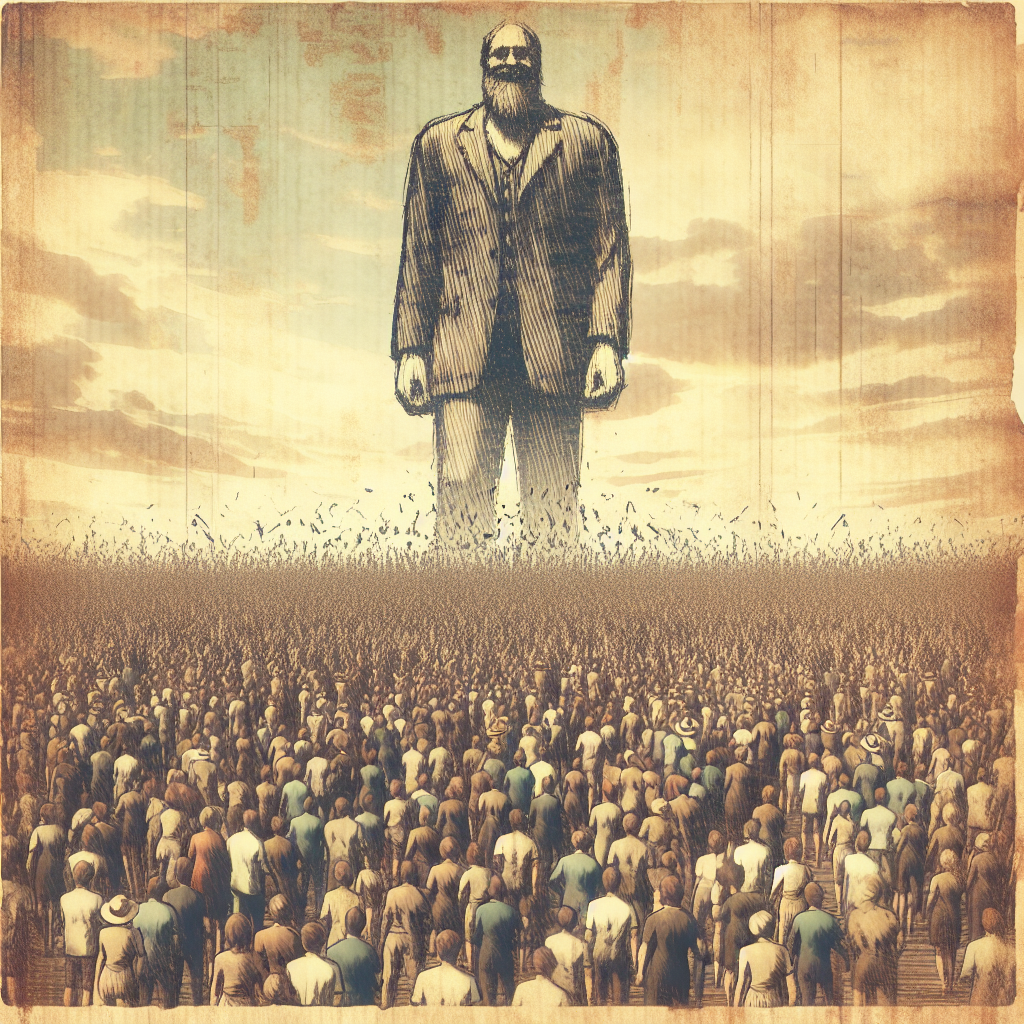

Adam Sandurski might not be the household name, but picture the seriousness of a sumo wrestler gracefully executing a perfect pirouette. That kind of contradiction beautifully encapsulates the journey of this remarkable individual. Born on February 8, 1953, in Zarzecze, Poland, Sandurski is a towering figure in the world of European wrestling. His towering frame of 6 feet 6 inches and a weight often tipping the scales north of 300 pounds made him a formidable opponent on the mat. Starting his wrestling career in the 1970s, Sandurski's name quickly became synonymous with power and technical prowess. But his story transcends mere accolades; it is one of perseverance against a backdrop of political change in his home country.
Sandurski found his passion in wrestling from a young age, growing up in a post-World War II Poland during the Soviet era. The political climate was fraught with tensions and transformations. Wrestling provided an escape and an opportunity for greatness. Sandurski competed under the Polish banner in numerous European and world championships, etching his name into the annals of sports history. Despite the challenges of competing under a regime where sports were often tangled with politics, Sandurski didn't just rely on brute strength; his agility and strategic mind were crucial in dominating the mat. His wrestling prowess brought him continental fame and respect, offering Poland a revered athlete to admire.
Sports, particularly in the socialist states of Eastern Europe during the late 20th century, were heralded as demonstrations of national strength and capability. Wrestlers like Sandurski became tools for showing off a nation's dominance. However, beneath the surface, they were individuals with their own stories, often stuck within a system that demanded much and gave little in return. Sandurski's story is one of silent defiance—showing excellence and human kindness amidst authority that preferred conformity over individuality. Known for maintaining humility despite success, his attitude made him unlike many others in the spotlight, standing out more than his physical build ever could.
His significant athletic achievements include winning three European Championships and a World Championship medal. However, like many athletes of his time, Sandurski's career unfolded amidst the constant pressure of political expectations. Representing Poland on the international stage during the Communist era meant navigating a field that required as much tact as strength. It was not just wrestling with opponents but wrestling with identity and representation in politically charged environments. Sandurski's steadfastness in representing his country, while maintaining his integrity, speaks volumes of a man whose life was a delicate dance of balance.
It’s impossible to discuss Adam Sandurski without mentioning the historical backdrop of the shifting political landscape. During the Cold War, the weight of the Iron Curtain loomed over the Eastern Block, and Sandurski's Poland was no exception. Being a top athlete sometimes brought benefits but also came with a lack of personal freedom. It required navigating restrictions that dictated many aspects of daily life. Adam’s success, achieved under such scrutiny, highlights not just sporting brilliance but resilience against systemic suppression.
Generationally speaking, Gen Z might find the political backdrop of Sandurski’s career distant and removed from today's global dynamics. However, his story remains an inspiration. It underscores a crucial message about the power of resilience and quiet rebellion against systems that aim to limit individuality. In a world that increasingly values authenticity and voices from diverse backgrounds, Sandurski's narrative echoes the enduring quest for personal integrity within a broader sociopolitical framework.
It’s often said that sports transcend language, politics, and borders—a means to unite us all. Adam Sandurski's legacy offers a timeless illustration of this ideal. His path in sports and life is a reminder of individual strength prevailing amidst overwhelming odds. His defiance was neither loud nor aggressive; it came through a quiet determination, a notion that resonates with those who find themselves facing modern challenges. Sandurski stands as a testament to the power of soft rebellion and the impact one person can have, not just in wrestling but in navigating the complexities of life within and beyond the ring.