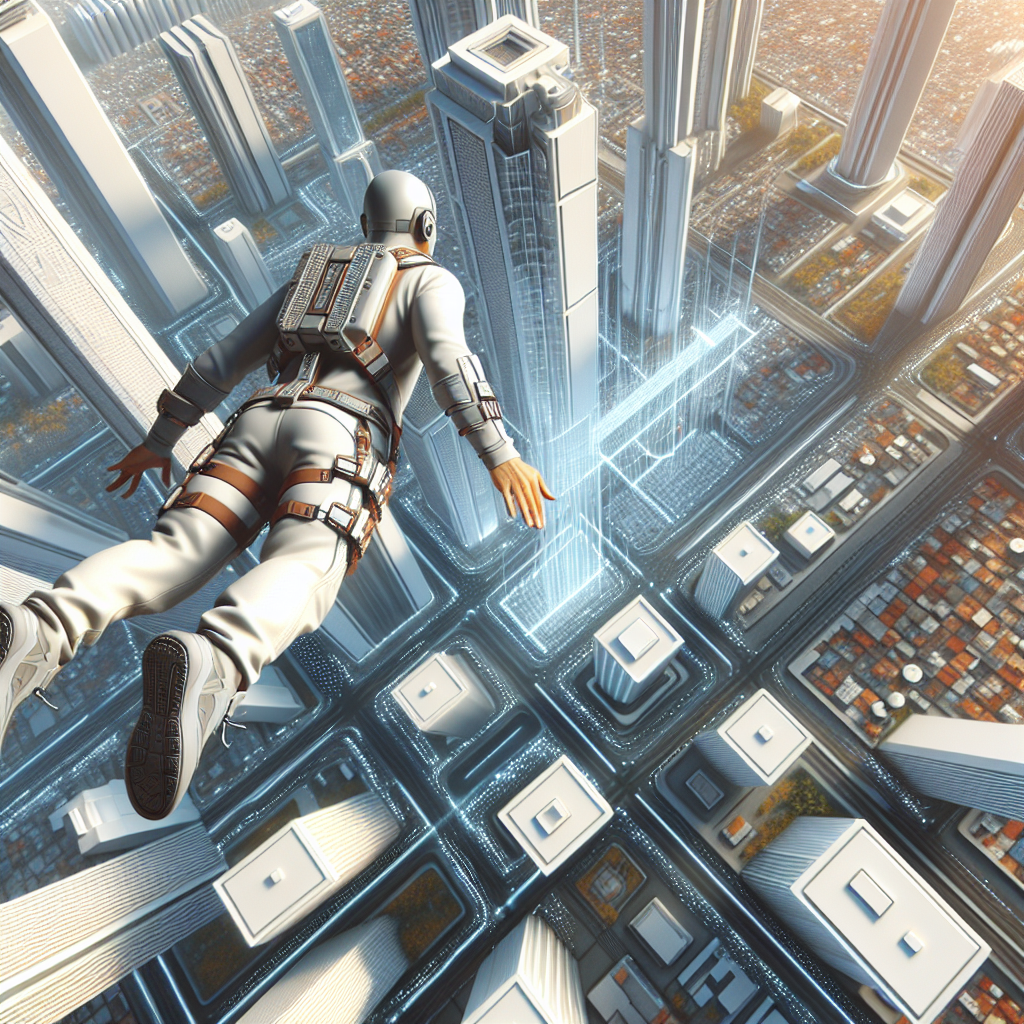

Jumping from dizzying heights is not everyone's idea of fun, but for A. J. Bakunas, it was a calling. Born Albert John Bakunas on October 23, 1947, in New Jersey, he would go on to become one of the most famous stunt performers of the 1970s. Bakunas skyrocketed to fame—quite literally—with a record-breaking free fall that remains a significant part of his legacy. A stuntman’s life is never short on drama or risk, and Bakunas embodied the thrilling, adrenaline-pumping spirit of his profession.
Originally a gym teacher, Bakunas had an adventurous side that wasn't satisfied within the confines of a classroom. His journey into stunt performing began when he read about Dar Robinson, a legendary stuntman whose feats inspired many. Bakunas soon moved to Hollywood with a determination to make it as a stunt performer. He managed to blend his athletic prowess with a daring spirit, which quickly got him noticed in the industry. Hollywood at the time was a burgeoning hub for action-packed films and had an increasing demand for behind-the-scenes heroes who would make on-screen magic possible.
The world of stunt performers in the 1970s was not as regulated as it is today. Safety standards were still developing, and many stuntmen and women relied heavily on their instincts and skill. In an era where CGI was nonexistent, the authenticity of stunts required real human courage and a hefty dose of bravado. In these circles, Bakunas was considered a maverick for his fearless approach and perfectionist attitude.
Bakunas' most renowned achievement came on September 21, 1978, when he performed a free fall stunt from a building that went on to solidify his place in history. The jump in Lexington, Kentucky, was for the film "Steel," and it was his second attempt to break a height record. Previously, he had already broken the world free-fall record, but on that fateful day, he wished to reclaim the title after another stuntman had recently surpassed it. The jump was from approximately 323 feet, and at the time, it was the highest fall ever attempted onto an airbag.
Tragically, what was meant to be a symbol of human courage turned into his final act. The stunt went wrong when the airbag failed to deploy properly, leading to a fatal impact. This heartbreaking incident not only marked the end of Bakunas' life but also highlighted the inherent risks in stunt performing.
The nature of Bakunas' death forced an industry-wide reflection on safety. While tragic, it served as a catalyst for more rigorous safety standards, sparking debates about the value of human life versus entertainment. Many people, including fellow stunt performers and advocates for safer working conditions, began pushing for better regulations. Some argued that the thrill was integral to the appeal of stunts, whereas others stressed the need for a balance between excitement and safety.
Bakunas was remembered in the stunt community as a remarkable talent, a daring innovator who pushed the boundaries of what seemed humanly possible. While there are always ethical considerations when discussing the dangerous aspects of stunt work, it's undeniable that Bakunas’ life and career significantly contributed to the industry’s evolution.
The ethical consideration surrounding such thrill-seeking pursuits becomes complex when factoring in the human cost. Stunt performers like Bakunas are often lauded as fearless figures pushing the boundaries for art. One could argue they are the unsung heroes behind the glitz and glamour of Hollywood, but at what personal risk? The debate often lies between artistic authenticity and the potential for harm. Nowadays, conversations about workplace safety have become more prioritized, reflecting changing societal values.
Gen Z, much like any generation, has a keen sense of justice and the drive to ensure everyone gets their fair share of safety and security in their careers. It’s crucial to remember that the foundations for these protections are often built on the shoulders of people like Bakunas, who illustrated the personal costs of industrial negligence. Their stories feed into the ongoing battle for safer work environments across all fields, highlighting that the lessons from the past are vital for building a more equitable future.
While Bakunas’ journey ended far too soon, his legacy lives on in countless ways, including every safe-but-thrilling stunt performance that follows in his wake. The stunts today that safely thrills audiences worldwide blend awe with respect for those who have paved the way. In a world increasingly aware of individual safety, there remains an acknowledged respect for those like Bakunas who dared to reach for the sky.