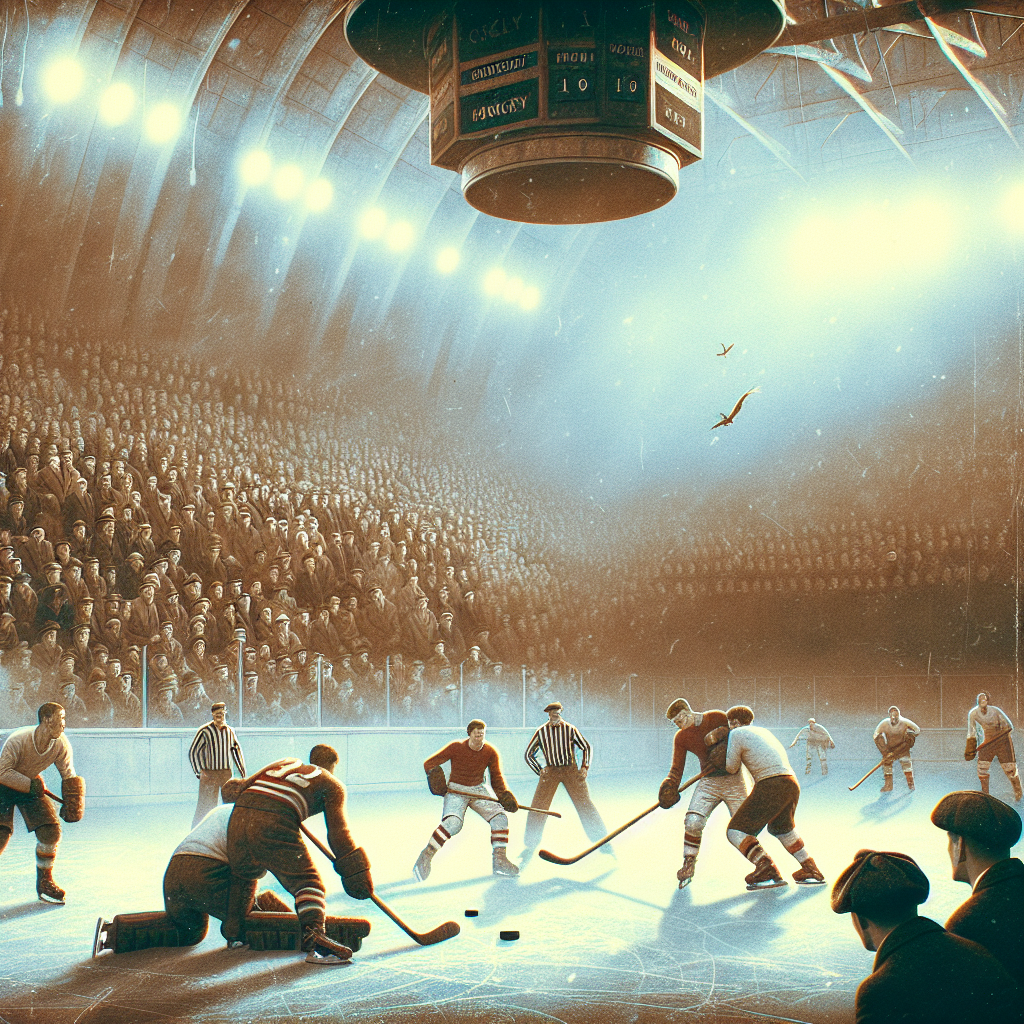

Picture this: it’s 1937, and the world is teeter-tottering on the brink of a global upheaval, yet in the midst of all this geopolitical tension, nations came together for a different kind of battle on the icy rinks of London, England. That year, the Ice Hockey World Championship held something more than just sport—it was a showcase of skill, strategy, and the surprising dance of international relations. As players laced up their skates, they carried with them more than just the national colors; they bore the responsibilities of their countries' evolving identities.
Held from February 17 to 27, 1937, this championship brought together teams from 11 countries. Canada's representation was led by the Kimberley Dynamiters; a name that’s as explosive as their plays on the ice. While on the surface, it seemed like a straightforward athletic competition, the undercurrents of national pride and international politics couldn't be ignored.
For Canada, ice hockey wasn’t just a sport; it was practically a winter religion. Winning meant more than just recent victories—it was a statement of dominance in a world where hockey was rapidly growing in global popularity. Their expectation to win, however, was challenged by the European teams who were improving and competing fiercely.
The United Kingdom team, known warmly as the British Lions, also made sure to leave their mark not only by hosting but by piping hot national pride into the competition, despite the challenges from more traditionally dominant teams. This sense of nationalism wasn’t unique to the host nation. Teams from Czechoslovakia and Switzerland, among others, were eager to showcase their prowess and to confirm their spot on the world stage amid growing global tensions.
Politics hung in the air even as skates sliced across frozen surfaces. This was 1937, just two years before the outbreak of World War II. Nations were already defined by their alliances and tensions beyond the icy arena. Yet, on the rink, these global issues seemed almost suspended, allowing for a different kind of engagement. The tournament provided a rare unifying event where the competition could outweigh the discord, at least temporarily.
Within the rinks of Queens Ice Club, drama unfolded that seemed cinematic. The games were intense, and the stakes were high. Canada finished the final round at the top of the table, underscoring their dominion in the sport. The Canadians had won yet again, claiming their eighth World Championship title. But the highlight wasn't just the worn-out hardware or records broken, it was the thrill of the chase—the power of seeing nations put their best game face on, offering a slight reprieve from the looming darkness of global conflict.
Opponents at the time might have felt overshadowed by Canada’s hockey prowess. Yet, they brought tenacity and talent, traits that are often honed in the face of repeated challengers—traits that would eventually help shift the balance in future competitions. For the European teams, standing up to Canada was not merely about winning but about sheer improvement. Even in a loss, they found changes to their own tactics which would pay off in the long run.
The championship was undoubtedly a resounding celebration of athleticism and strategy. But it also sent a poignant message about sport's role in political climates. It’s fascinating to think about what the young men on those teams might have been thinking at the time, unaware of the rapidly approaching war. Did they sense the gravity of the societal shift on the horizon? Or perhaps for those fleeting moments on the ice, there was simply exhilaration?
The 1937 World Championships in London marked a time that was as much about the ice as it was about who occupied it and for what purpose. The British crowds charged their team with enthusiasm, knowing full well the uncertainties off the rink. If ice hockey provided a stage that temporarily held off the world’s troubles, its magic was in seizing hearts and momentarily pausing battles that just couldn’t be fought on skates.
Reflecting on this historic championship allows us to appreciate just how globally interconnected and yet fiercely competitive international sports can be. Even during times of unease, sport offers a reprieve, allowing rival nations to face each other with dignity and respect. It's a reminder that we can unite through our shared passions, finding moments of peace and camaraderie, even when the world seems to skate on thinner ice.