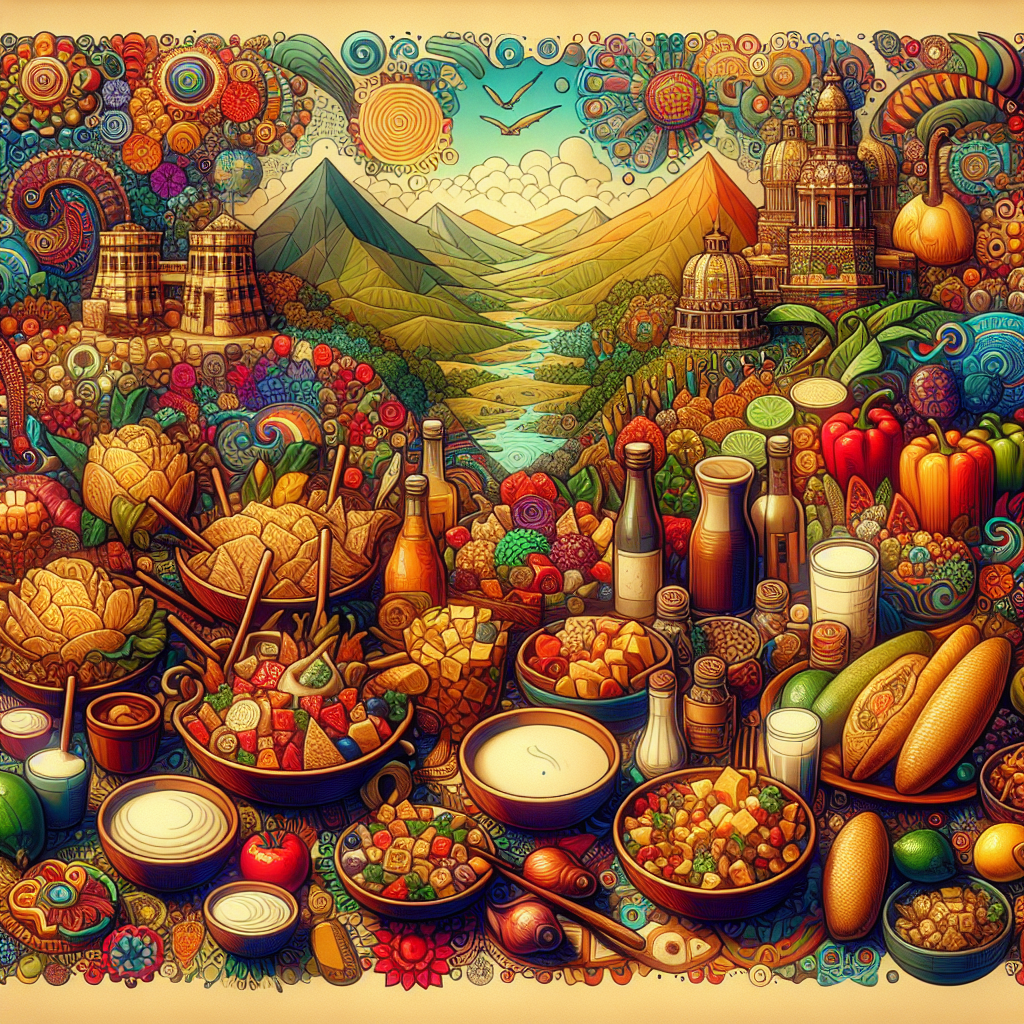

The Flavorful Tapestry of Guatemalan Cuisine
Imagine a world where every meal is a vibrant celebration of culture, history, and community. That's the essence of Guatemalan cuisine, a culinary tradition that has been shaped by centuries of indigenous practices and Spanish influences. In the heart of Central America, Guatemala offers a rich tapestry of flavors that reflect its diverse landscape and multicultural heritage. From the bustling markets of Antigua to the serene shores of Lake Atitlán, Guatemalan food is a testament to the country's resilience and creativity.
Guatemalan cuisine is a delightful blend of Mayan and Spanish culinary traditions, with a touch of African and Caribbean influences. The Mayans, who have inhabited the region for thousands of years, laid the foundation with their use of corn, beans, and chilies. When the Spanish arrived in the 16th century, they introduced new ingredients like rice, beef, and dairy products, which were seamlessly integrated into the local diet. This fusion of flavors has resulted in a unique culinary identity that is both comforting and exciting.
One of the most iconic dishes in Guatemala is "pepian," a hearty stew that combines meat, vegetables, and a rich, spicy sauce made from roasted seeds and spices. It's a dish that embodies the country's history, as it incorporates both indigenous and Spanish elements. Another beloved dish is "jocon," a green chicken stew flavored with tomatillos, cilantro, and green onions. These dishes are often served with rice and tortillas, staples that are present in almost every Guatemalan meal.
Street food is an integral part of Guatemalan culture, offering a quick and delicious way to experience the country's culinary diversity. "Pupusas," thick corn tortillas stuffed with cheese, beans, or meat, are a popular choice among locals and tourists alike. "Chuchitos," small tamales wrapped in corn husks, are another street food favorite, often enjoyed with a side of "chirmol," a tangy tomato salsa. These street foods are not just snacks; they are a reflection of the communal spirit that defines Guatemalan society.
Desserts in Guatemala are a sweet affair, with "rellenitos" being a standout treat. These are mashed plantains filled with sweetened black beans and fried to perfection. "Mole de platano," a dessert made from plantains cooked in a rich chocolate sauce, is another must-try for those with a sweet tooth. These desserts highlight the country's love for combining unexpected flavors to create something truly special.
While Guatemalan cuisine is a source of national pride, it's important to acknowledge the challenges faced by the country's food system. Many Guatemalans struggle with food insecurity, a problem exacerbated by economic inequality and climate change. Efforts are being made to address these issues, with local organizations working to promote sustainable agriculture and support small-scale farmers. By preserving traditional farming practices and embracing innovation, Guatemala is striving to ensure that its culinary heritage can be enjoyed by future generations.
For those who have never experienced Guatemalan cuisine, it offers a chance to explore a world of flavors that are both familiar and exotic. It's a cuisine that tells a story of resilience, adaptation, and community, inviting everyone to partake in its rich culinary tradition. Whether you're savoring a bowl of pepian or enjoying a street-side pupusa, each bite is a reminder of the vibrant culture and history that make Guatemala a truly unique destination.